
Pakistani Mango Pulp & Puree: Export & Supply Guide
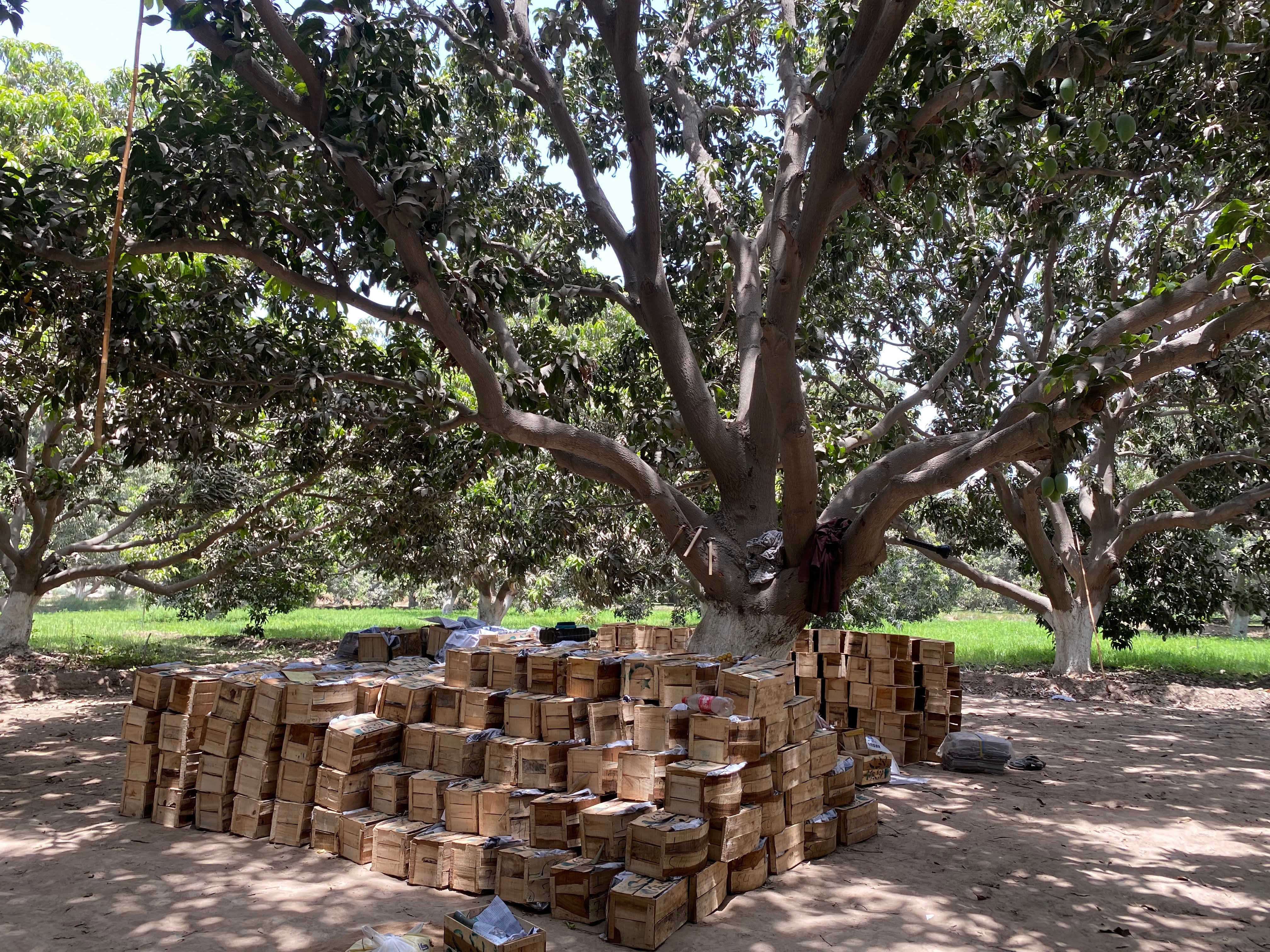
Pakistan is one of the world's top five mango-producing nations, and Pakistani mango pulp export has grown steadily as food manufacturers, juice brands, ice-cream makers, and confectionery producers across the Middle East, Europe, and North America search for authentic tropical flavour at commercial scale. Processed from the same beloved summer varieties — Chaunsa, Sindhri, Langra, Anwar Ratol — that have made Pakistan synonymous with mango quality, aseptic pulp and puree retain the fragrance, colour, and natural sweetness of fruit harvested at peak ripeness. This guide covers everything an importer, food manufacturer, or bulk buyer needs to know: varieties, processing methods, packaging formats, seasonal availability, typical specifications, and how to source responsibly from Pakistan.
At MMA Mangoes, our primary business is premium fresh fruit — we shop premium Pakistani mango gift boxes direct to homes and families across Pakistan and internationally. But because we are rooted in a three-generation family orchard in Multan, we understand the full value chain of the mango deeply, from blossom to aseptic drum. This page is written to serve commercial buyers doing their research, and to position Pakistan's pulp and puree industry honestly, without exaggeration.
Whether you are a juice manufacturer looking to lock in a reliable mango puree supplier Pakistan, a yogurt brand sourcing tropical fruit preparations, or a trading company evaluating origin options, read on. We have covered the key facts — and where our fresh-fruit product is a better fit for smaller buyers, we will say so clearly.
Why Pakistani Mango Pulp Is Valued Worldwide
Pakistan's mango belt stretches through southern Punjab (centred on Multan, Rahim Yar Khan, and Bahawalpur) and Sindh, where alluvial soil, dry heat, and long growing seasons produce fruit with exceptional Brix levels — typically 18–24° for prime Chaunsa and Sindhri varieties, compared with 14–17° for typical Brazilian or Indian export fruit. That natural sugar concentration means processors can achieve finished juice products at target sweetness levels with less added sugar, a commercially significant advantage.
Beyond sweetness, Pakistani varieties carry a distinctive aromatic profile driven by high levels of lactones, terpenes, and esters that give Chaunsa and Sindhri pulp a floral, honey-like fragrance that survives the aseptic process better than flatter, higher-yielding varieties from Southeast Asia. Colour is another selling point: Sindhri yields a deep golden-yellow puree (L* ~65–70) that photographs well for packaging and product shots without artificial enhancement.
The country's processing sector has matured significantly. A number of FSSC 22000, BRC, and Halal-certified plants now operate in Multan, Hyderabad, and Karachi, capable of producing aseptic pulp in bulk bags, drums, and IQF formats to EU and US food-safety standards. For buyers who care about traceability, some processors can link product batches back to specific registered orchards — a meaningful chain-of-custody step that was largely absent a decade ago.
Varieties Used in Pakistani Mango Pulp Export
Not every mango variety is equally suited to processing. Pulpers favour fruit with high flesh-to-seed ratios, low fibre, consistent colour, and sufficient acidity to maintain pH stability in aseptic packs. Here is how Pakistan's main commercial varieties stack up for processing:
| Variety | Peak Season | Typical Brix | Flesh Colour | Processing Suitability | Primary Use |
|---|---|---|---|---|---|
| Sindhri | Late May – June | 20–23° | Deep golden-yellow | Excellent — low fibre, high yield | Puree, juice concentrate, drinks |
| Chaunsa (White / Nawabpuri) | July – August | 21–24° | Pale cream-yellow | Excellent — buttery, highly aromatic | Premium puree, dairy prep, nectars |
| Langra | July | 18–21° | Yellow-green | Good — tangy note, green hue | Blended puree, chutneys, sauces |
| Anwar Ratol | Late June – July | 22–24° | Golden-orange | Fair — small fruit, high processing cost | Premium flavouring, artisan products |
| Dusehri | June – July | 17–19° | Light yellow | Moderate — higher fibre | Blended pulp, industrial bases |
Chaunsa mango pulp export is the most sought-after premium segment. White Chaunsa — particularly Nawabpuri and Mosami sub-types — produces a puree with an intensely buttery aroma that commands a premium over generic "tropical mango" bases in European and Gulf dairy applications. Sindhri, by contrast, delivers the strongest colour and a more neutral-sweet profile that blends easily in multi-fruit drinks and ice creams.
From Orchard to Drum: How Aseptic Mango Pulp Is Made
Aseptic mango pulp Pakistan operations follow a well-established processing chain, though quality at each stage varies significantly between processors. Understanding the steps helps buyers ask the right questions during supplier qualification.
Harvest and Reception
Fruit arrives at the processing plant (ideally within 12–24 hours of harvest) and undergoes visual grading to remove damaged, under-ripe, or over-ripe fruit. Responsible processors reject fruit treated with calcium carbide — a synthetic ripening agent that accelerates surface colour change without developing internal sugars or aroma. At MMA Mangoes, our orchard practice is strictly carbide-free: fruit is hand-picked at physiological maturity and ripened naturally. For fresh boxes, this is non-negotiable; for pulp contracts, buyers should specify and audit this requirement explicitly.
Washing, Peeling, and Pulping
Fruit passes through multi-stage washing with potable and chlorinated water, then mechanical peeling and destoning. The pulping finisher — typically a brush or paddle machine with 0.5–1.0 mm screen — reduces fibre content to specification. Most exporters offer two fibre grades: smooth (pulp passed through a 0.5 mm screen, suitable for beverages and dairy) and standard (slightly coarser, suited to bulk sauce or industrial use).
Thermal Treatment and Aseptic Filling
The pulp is brought to approximately 95–105°C for a defined hold time (HTST or HHST), then flash-cooled and filled under sterile conditions into aseptic bag-in-drum or aseptic pouch formats. Properly executed, this process delivers a 12–18 month shelf life at ambient temperature without preservatives — a critical advantage for importers managing long lead times and warehousing costs.
Quality Testing
Reputable processors test every batch for: Brix (total soluble solids), pH (typically 3.5–4.2 for mango), acidity (% citric acid equivalent), colour (spectrophotometric L*a*b*), microbiology (TVC, yeast/mould, coliforms, salmonella), and pesticide residues (EU MRL compliance or USDA NOEL standards depending on destination). Request certificates of analysis for at least three recent batches before placing a first order.
Packaging Formats for Bulk Mango Pulp Export
The format you specify will depend on your processing setup, order volume, and target product. Standard commercial formats from Pakistani exporters include:
- Aseptic bag-in-drum (220-litre drums, ~200 kg net): The dominant export format. Pallet-stackable, container-friendly, ambient storage. Minimum order is typically 1 FCL (20ft) = approximately 80 drums = 16 MT.
- Aseptic bag-in-box (5–25 litre bags in corrugated outers): Suited to smaller manufacturers, foodservice operators, or secondary processors who lack drum-decanting equipment. Less economical per kilogram but more flexible for SKU testing.
- IQF (Individually Quick Frozen) mango chunks/pieces: For applications where texture is retained — smoothie mixes, fruit salads, artisan ice cream. Requires frozen logistics (−18°C). Less common in Pakistani exports than aseptic, but available.
- Retort pouches and cans (850 g–3 kg consumer packs): Used by some exporters supplying retail chains or food-aid programmes. Higher per-kg cost but ready for final-mile distribution.
For most bulk mango pulp buyers entering the market for the first time, the aseptic drum format in a 20 FCL trial shipment is the practical starting point. It allows testing against your formulation at manageable investment before committing to multi-container annual volumes.
Seasonal Calendar and Supply Planning
Pakistan's mango season runs roughly May through September, with peak pulp-processing concentrated in a short 10–12 week window. Aseptic production is time-constrained: processors fill drums during the season and supply buyers from stock for the rest of the year. This makes forward contracting critical — buyers who secure volume agreements by March/April consistently get better pricing, preferred variety allocation, and first access to prime Chaunsa inventory.
| Month | Activity | Key Varieties Available |
|---|---|---|
| April – Early May | Pre-season contracting; orchard surveys | — |
| Late May – June | Active processing begins; Sindhri dominant | Sindhri, Dusehri |
| July | Peak season; high-volume Chaunsa + Langra runs | Chaunsa, Langra, Anwar Ratol |
| August | Late Chaunsa; season wind-down | White Chaunsa (Mosami) |
| September – April | Sales from aseptic stock; no new production | All varieties (from stock) |
Because of this seasonal concentration, importers in the EU and Gulf who rely on Pakistani origin typically run dual-source strategies — Pakistani Chaunsa-based pulp for premium seasonal SKUs, supplemented by Alphonso from India or Ataulfo from Mexico during off-peak months. Understanding this from the outset allows more realistic supply planning conversations with your procurement team.
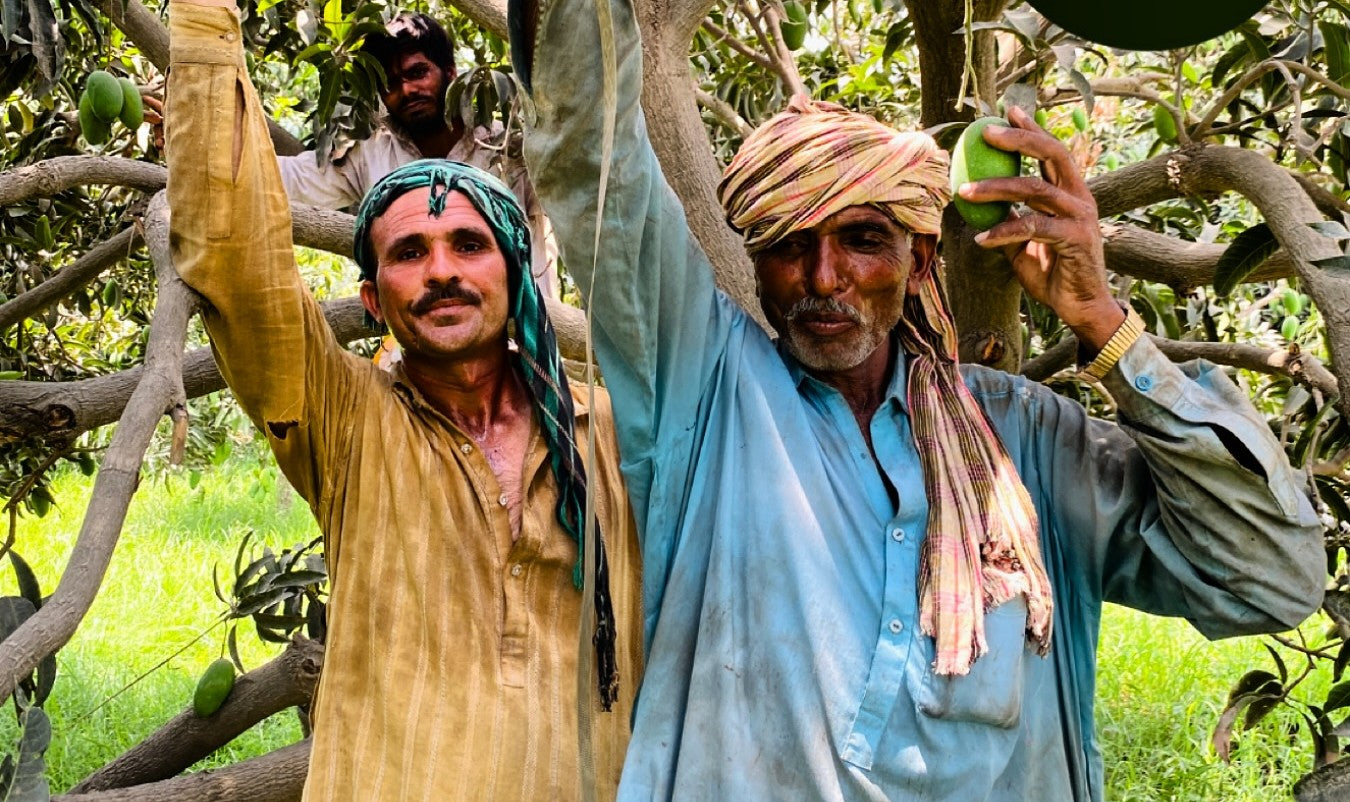
End-Use Applications for Pakistani Mango Puree
Pakistani mango puree — particularly Chaunsa and Sindhri varieties — appears across a wide range of finished products in the food and beverage industry. Understanding which applications value which variety attributes helps align sourcing with formulation requirements.
Beverages and Nectars
Mango nectar (typically 25–50% fruit content) is the single largest global application for processed mango. Pakistani Sindhri puree's bright colour and clean sweetness make it ideal for straightforward mango nectars and RTD drinks. Premium nectar lines often command a Chaunsa origin claim as a marketing differentiator, particularly in UK South Asian grocery channels and Gulf supermarkets where the Chaunsa name has strong consumer recognition.
Dairy and Frozen Desserts
Mango yogurt, mango ice cream, kulfi, mango lassi, and fruit preparations for yogurt manufacturing all benefit from high-Brix, low-fibre purees. Chaunsa's buttery aromatic profile is particularly valued by premium ice cream makers because it carries through the fat matrix without being muted. Typical inclusion rates run 8–15% puree in flavoured yogurt and 12–20% in ice cream mixes.
Confectionery, Preserves, and Sauces
Mango jellies, hard candies, fruit leathers, chutneys, and hot sauces all draw on processed pulp. For confectionery, the natural acidity (pH 3.5–4.0) of mango puree assists gel formation when combined with pectin and reduces the need for added citric acid. Langra's tangier profile is often preferred for savoury-leaning mango chutneys, lending brightness that balances against brown sugar and vinegar bases.
Bakery and Ingredient Applications
Mango fillings for pastries, tarts, and croissants; mango swirl ripples in artisan breads and loaves; smoothie bowl bases and protein-powder blends. These niche but fast-growing applications typically require smaller volumes and favour the flexible bag-in-box format over industrial drums.
Pricing Benchmarks and What Drives Cost
Mango pulp pricing is driven by four main factors: variety, Brix level, season timing, and order volume. The following are indicative benchmark ranges (CIF basis, subject to market fluctuation and exchange rate) to help buyers scope budgets — verify current pricing directly with exporters or a Pakistan-origin trading company.
| Pulp Type | Typical CIF Range (USD/MT) | Notes |
|---|---|---|
| Sindhri aseptic puree (22° Brix) | $700–$950 | High-volume commodity segment |
| Chaunsa aseptic puree (22–24° Brix) | $900–$1,200 | Premium aromatic segment |
| Mixed variety industrial pulp | $550–$750 | Blended, lower-spec, high volume |
| IQF mango chunks (Sindhri) | $1,100–$1,500 | Frozen logistics add-on cost |
Prices spike when the mango crop is affected by late-season rains, hailstorms, or pest pressure — Pakistan's mango belt is increasingly exposed to climate variability. Forward contracts at pre-season rates (March–April) typically lock in savings of 10–20% compared with in-season spot buying.
How to Qualify a Pakistani Mango Pulp Supplier
The gap between the best and worst processors in Pakistan is wide. A rigorous qualification process protects your brand and your formulation consistency. Consider these steps:
- Verify food-safety certifications: Ask for current BRC, FSSC 22000, or SQF certificates (not just application letters). Check the certificate body's public registry — some certificates circulating in trade are expired or forged.
- Request recent COAs: Ask for three consecutive-season batch COAs covering Brix, pH, colour, microbiology, and pesticide residues. Consistency across seasons is more telling than a single impressive result.
- Ask about fruit sourcing and carbide policy: Does the processor source from registered growers? Is there a written policy against calcium carbide-treated fruit? Can they provide GPS orchard coordinates or a supplier list? Processors who cannot answer these questions clearly should be deprioritised.
- Request a sample shipment: 5–10 kg trial samples via courier (typically DHL) are standard practice before any commercial order. Test against your formulation — colour retention, flavour on heating, clarity after dilution, pectin reaction.
- Understand the payment and logistics terms: Most Pakistani processors require 30% advance and 70% on BL or LC at sight. Factor in import duties for your destination market — EU GSP status for Pakistan covers most food products at reduced or zero tariff.
- Visit or appoint an inspection agent: If you are placing annual contracts above $50,000 USD, a single factory visit (or appointment of a local third-party inspector such as SGS or Bureau Veritas Pakistan) pays for itself in avoided quality claims.
MMA Mangoes: Fresh First, Pulp as Context
Our core business is premium fresh mango, not bulk pulp. We are a family orchard from Multan — three generations growing Sindhri, Langra, Anwar Ratol, and White Chaunsa on our own land, hand-picking at peak ripeness, and sending premium Pakistani mango gift boxes directly to customers across Pakistan and internationally. Our fruit is strictly carbide-free; every box is packed at the farm and cold-chain handled to your door.
For consumers and corporate gifting buyers, our 5kg premium boxes (priced Rs 2,550–Rs 3,150 depending on variety and season) offer an authentic farm-to-doorstep experience that no processing plant can replicate. If that is what you are looking for, explore our collection directly.
If you are a food manufacturer or importer researching Pakistani mango pulp export at commercial scale, this page is designed to give you accurate industry context. For fresh wholesale supply or export enquiries, our wholesale fresh mango supply page covers bulk fresh options, and our mango export guide explains the logistics, documentation, and phytosanitary requirements for international fresh shipments. We can connect serious buyers with vetted processing partners in our network — reach us on WhatsApp for a direct conversation.
Frequently Asked Questions
What is the difference between mango pulp and mango puree?
The terms are often used interchangeably in commercial trade, but there is a technical distinction. Mango pulp typically refers to the direct output of the pulping machine — mechanically separated mango flesh that may retain some fibre and coarser texture. Mango puree usually implies a finer-screened product (0.5 mm or finer) that has been passed through a finisher to remove fibre and seed fragments, producing a smooth, consistent texture suitable for beverages, dairy, and confectionery. Most export-grade Pakistani mango pulp sold commercially is finished to puree standards; confirm the screen size specification with your supplier before ordering.
Which Pakistani mango variety produces the best pulp for juice manufacturing?
For mainstream juice and nectar manufacturing where colour, yield, and consistent sweetness are the priority, Sindhri is the leading choice. It delivers a deep golden colour (L* ~65–70), Brix of 20–23°, and low fibre content with excellent extraction yield. For premium-positioned products where aromatic intensity is a differentiator, Chaunsa — particularly Nawabpuri White Chaunsa — is preferred. Its buttery, floral aroma profile carries well through aseptic processing and performs strongly in taste tests with South Asian and Gulf consumers.
Is aseptic mango pulp from Pakistan safe and shelf-stable without refrigeration?
Yes, when correctly processed. Aseptic mango pulp undergoes high-temperature short-time (HTST) thermal treatment followed by sterile filling into hermetically sealed packaging, eliminating pathogenic and spoilage microorganisms without preservatives. Shelf life for aseptic bag-in-drum product is typically 12–18 months at ambient temperature (below 25°C), making it suitable for ocean freight and ambient warehousing. Once opened, the drum or bag should be refrigerated and consumed within 5–7 days. Always verify that the supplier's aseptic line is validated and that batch COAs include full microbiological testing.
What certifications should I look for when buying mango pulp from Pakistan?
For food manufacturers in the EU, UK, or USA, the minimum acceptable certification for a Pakistani pulp supplier is either BRC Global Standard for Food Safety (Grade A or B) or FSSC 22000. For halal-sensitive markets (Gulf, Malaysia, Indonesia), confirm a current Halal certificate from a recognised body such as IFANCA, MUI, or JAKIM. For organic product, look for EU Organic (NOP/USDA equivalence) certification, though this is rare in Pakistani mango processing at present. Always verify certificates directly against the certification body's online registry — do not accept unchecked PDFs from the supplier alone.
What is the minimum order quantity for bulk mango pulp export from Pakistan?
For aseptic bag-in-drum format, the practical minimum commercial shipment is one 20-foot FCL container, which holds approximately 80 drums at 200 kg net each — roughly 16 metric tonnes. Some traders and consolidators offer smaller quantities (5–10 MT) in shared container loads (LCL), at higher per-kg cost and longer lead times. For trial and formulation work, most processors will supply 5–10 kg courier samples free of charge or at nominal cost before any FCL commitment. If your annual requirement is below 10 MT, consider aseptic bag-in-box format from a distributor rather than direct-origin sourcing.
How does Pakistani mango pulp compare with Indian Alphonso pulp?
Both are premium origins, but they have distinct profiles. Indian Alphonso pulp (primarily from Maharashtra/Ratnagiri) has a deeper orange colour, slightly firmer texture, and a rich-sweet flavour that is the benchmark in European premium juice and dessert applications. Pakistani Chaunsa and Sindhri pulp offer a more floral, honey-aromatic profile with comparable or higher Brix levels, at pricing that is typically 10–25% more competitive per MT. The choice between origins often comes down to consumer audience: Alphonso has stronger brand recognition in mainstream European retail, while Chaunsa is strongly preferred by South Asian diaspora consumers in the UK, Gulf, and North America — and increasingly by artisan food producers who value aromatic distinctiveness over brand familiarity.
Ready to experience Pakistani mangoes at their freshest? While this page serves commercial buyers researching pulp and processing, the purest expression of what Pakistan's mango farms produce is a perfectly ripe fruit eaten the same week it was picked. We ship premium Pakistani mango gift boxes — Sindhri, Langra, Anwar Ratol, Nawabpuri White Chaunsa — directly from our Multan orchard to your door, carbide-free, hand-picked, and cold-chain packed. Free delivery nationwide across Pakistan. Advance payment available. Worldwide shipping on request. For bulk fresh supply or to discuss wholesale or processing enquiries, message us on WhatsApp: +92 300 9555810.