
Pakistani Mango Export: The Complete Guide
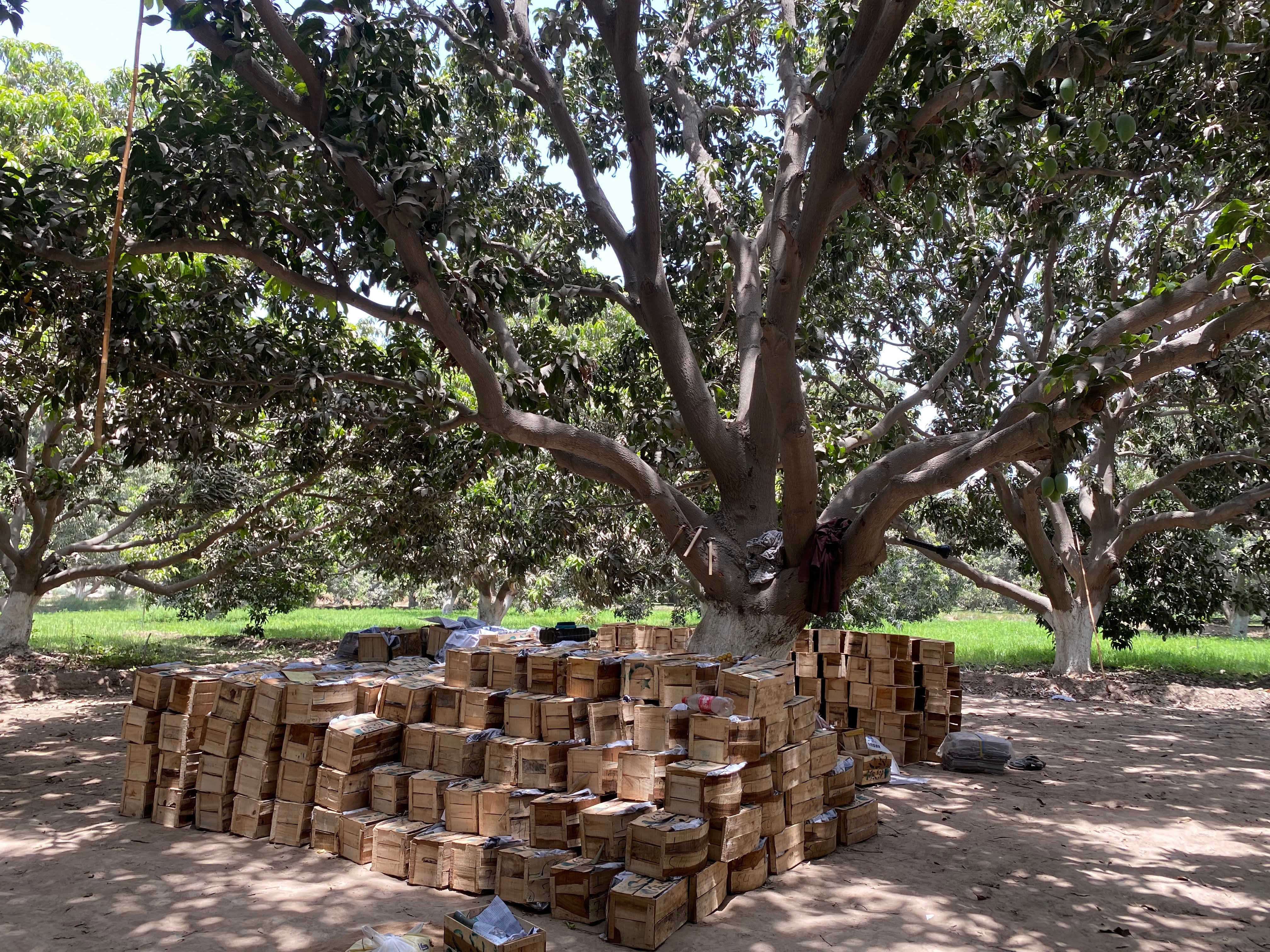
Pakistani mango export is one of the most vibrant sectors in the country's agricultural economy — and for good reason. Pakistan produces over 1.8 million tonnes of mangoes annually, earning it a place among the world's top five mango-producing nations. The prized varieties grown in the Punjab and Sindh heartlands — Sindhri, Langra, Anwar Ratol, Chaunsa — command serious premiums in Gulf, European, and North American markets. At MMA Mangoes, we have spent three generations refining how these fruits are grown, handled, and shipped from our family orchard in Multan to customers across Pakistan and around the world. This guide draws on that direct experience to walk you through everything: variety selection, season timing, grading standards, packaging, cold chain, documentation, and the target markets that make exporting Pakistani mangoes worthwhile.
Whether you are an importer looking for a reliable Pakistan mango exporter, a business exploring the mango export business in Pakistan, or simply a mango lover curious about how these fruits reach you, this is the most complete resource you will find. Read on for the full picture — straight from the farm.
Why Pakistani Mangoes Command Global Attention
No other mango-producing country has the same combination of climate, soil, and centuries-old varietal selection that defines the Multan-Rahim Yar Khan-Mirpur Khas belt of Pakistan. The Indus Basin's loamy, mineral-rich soils and the sharp temperature differential between warm days and cool nights during fruit development concentrate sugars and aromas in ways that simply cannot be replicated elsewhere.
Pakistani mangoes are routinely described by importers and food writers as the sweetest in the world — a claim that is not marketing hyperbole but reflects measurable Brix values (natural sugar content) that routinely exceed 20° for premium Anwar Ratol and Sindhri. The fruit is also commercially significant: mango exports contribute hundreds of millions of dollars annually to Pakistan's foreign exchange earnings, with the UK, UAE, Saudi Arabia, Germany, and Canada among the top destinations.
MMA Mangoes was featured on a billboard in Times Square, New York — a recognition that speaks to how Pakistani mangoes have begun to penetrate mainstream Western markets that once barely knew the fruit existed.
Pakistani Mango Varieties: A Buyer and Exporter's Reference
Understanding the variety landscape is the first step in any successful Pakistani mango export strategy. Different varieties peak at different times, have different shelf lives, and command different price points. Here is the definitive comparison:
| Variety | Peak Season | Flavour Profile | Skin Colour | Shelf Life (post-harvest) | Best Export Markets |
|---|---|---|---|---|---|
| Sindhri | Late May – June | Honeyed, fibreless, mild floral | Golden yellow | 10–14 days (cold chain) | UK, UAE, Saudi Arabia |
| Langra | July | Aromatic, tangy-sweet, resinous | Green (even ripe) | 8–12 days | Gulf, Europe, diaspora markets |
| Anwar Ratol / 12 Number Ratol | July – early August | Intensely sweet, paper-thin seed, small fruit | Yellow-green blush | 6–10 days | UK, Canada, USA, UAE |
| Nawabpuri White Chaunsa | August | Buttery, rich, low acid, royal finish | Pale yellow-white | 12–16 days | Middle East, Scandinavia |
| Mosami White Chaunsa | August | Delicate sweetness, creamy texture | Pale ivory-yellow | 12–16 days | Gulf, South Asia diaspora |
For a full breakdown of when each variety peaks and how to plan your orders around availability, see our Pakistan mango season calendar for 2026.
The "12 Number Ratol" — Pakistan's Most Coveted Export Variety
Within the Anwar Ratol family, the "12 Number Ratol" is the pinnacle — small, intensely aromatic, with a seed so thin the ratio of flesh to stone is almost comically generous. These mangoes are harvested by hand at a precise window of ripeness, typically for just two to three weeks in July. Demand from the Pakistani diaspora in the UK and Canada consistently outstrips supply; serious importers place orders before the season even begins.
The Pakistan Mango Season Calendar
Timing is everything in exporting mangoes from Pakistan. Miss the peak window by even a week and you are shipping fruit that either lacks full flavour or will not survive the transit. The season runs roughly from late May through September, with each variety occupying a distinct slot:
- Late May – June: Sindhri opens the season, accounting for the bulk of early export volume to Gulf and European markets.
- July: Langra and Anwar Ratol / 12 Number Ratol arrive — the heart of the export peak. Air-freight volumes surge during this window.
- August – September: White Chaunsa varieties (Nawabpuri and Mosami) close the season with premium late-summer fruit. Sea-freight becomes more viable here given the slightly longer shelf life.
Off-season demand is partially served by frozen pulp and processed products, but fresh-mango exporters operate exclusively within this May-to-September window. Planning logistics — cold storage capacity, container bookings, airline cargo slots — several weeks ahead is non-negotiable for serious exporters.
Grading and Quality Standards for Pakistani Mango Export
International buyers, especially in the EU and UK, apply strict quality standards that Pakistani exporters must meet to access premium markets. Understanding grading protects both parties.
Size and Weight Grading
Mangoes are graded by weight and uniformity. Common export grades:
- Grade A (Premium): 300–500g per fruit, uniform colour, no surface blemishes, full flavour development. Commands the highest FOB price.
- Grade B (Standard): 200–350g, minor surface marks acceptable, flavour intact. Suitable for mainstream retail.
- Grade C (Commercial/Processing): Below 200g or with cosmetic defects. Typically destined for pulp or juice processing rather than fresh export.
Carbide-Free Certification
One of the most important quality signals in international mango trade is carbide-free ripening. Calcium carbide is a cheap, illegal ripening agent that forces colour development without natural flavour maturation — the fruit looks ripe but tastes hollow, and residues pose health risks. At our family orchard in Multan, every mango is hand-picked at natural peak ripeness. No carbide, no ethylene chambers, no shortcuts. This is not just an ethical position; it is a commercial necessity for any exporter targeting premium or health-conscious markets.
Pesticide Residue and Phytosanitary Compliance
The European Union applies Maximum Residue Levels (MRLs) under Regulation (EC) No 396/2005. Pakistan's mangoes have faced interceptions at EU ports in past years due to non-compliant pesticide use. Exporters targeting Europe must work with DRAP- or PSQCA-registered testing laboratories and obtain clean residue certificates before shipment. The UAE and Saudi Arabia similarly require phytosanitary certificates issued by Pakistan's Department of Plant Protection (DPP).
Packaging and Cold-Chain Requirements
Proper packaging is where many smaller Pakistan mango exporters lose margin and reputation. The fruit is delicate; bruising is invisible at packing but catastrophic by delivery.
Packaging Formats
- 5kg gift box (individual wrapping): The premium retail format. Each mango is wrapped in foam netting or tissue, placed on a tray, and lidded. Ideal for gifting and direct-to-consumer e-commerce. MMA Mangoes ships in this format domestically and internationally.
- 3kg / 4kg cartons (export retail): Common for supermarket and food-service buyers. Single-layer trays with ventilation holes allow airflow and ethylene dispersal.
- 10–12kg bulk cartons: Used for wholesale and processing-grade fruit. Lower packaging cost per kg but demands very uniform fruit to minimise internal bruising.
Cold Chain: The Non-Negotiable Link
Pakistani mangoes should be held at 12–14°C from pack-house to final destination — colder than this causes chilling injury that turns the flesh grey; warmer accelerates over-ripening. A robust cold chain involves:
- Pre-cooling: Fruit is cooled to target temperature within 6–8 hours of harvest, before packing.
- Refrigerated transport to port/airport: Reefer trucks from Multan or Mirpur Khas to Karachi, Lahore, or Islamabad. Transit time matters: the Multan-Karachi road corridor is approximately 12 hours.
- Cold storage at origin airport/port: NAPHIS-approved cold storage facilities at Karachi Port and Allama Iqbal International Airport.
- Air freight (primary for premium fresh): PIA Cargo, Emirates SkyCargo, and Qatar Airways Cargo are the main carriers. Transit to London Heathrow is 7–10 hours; to Dubai 3–4 hours.
- Destination cold chain: Reefer handling at the destination port or bonded warehouse, followed by ambient ripening rooms if needed.
For context on how MMA Mangoes manages this end-to-end, you can explore our wholesale mango supply arrangements for importers and bulk buyers.
Export Documentation and Regulatory Requirements
Getting the paperwork right is as important as getting the fruit right. Missing or incorrect documentation causes delays that can ruin an entire shipment of perishables.
Core Documents Required
- Phytosanitary Certificate: Issued by Pakistan's Department of Plant Protection (DPP). Mandatory for all fresh produce exports. Confirms the consignment is free from quarantine pests and diseases.
- Certificate of Origin: Issued by TDAP (Trade Development Authority of Pakistan) or Chamber of Commerce. Required by most importing countries for tariff determination.
- Commercial Invoice and Packing List: Standard trade documents listing quantity, grade, FOB value, and packaging details.
- Fumigation Certificate (if required): Some markets (notably Australia and New Zealand) require methyl bromide or heat treatment and evidence of fumigation.
- Health Certificate: Required by Gulf countries and many EU member states — confirms the fruit has been inspected and is fit for human consumption.
- Airway Bill / Bill of Lading: Issued by the carrier. Critical for customs clearance at destination.
Registrations and Export Licences
Exporters must be registered with TDAP and hold an active NTN (National Tax Number) from FBR. Horticultural exporters additionally need registration with the Horticultural Export Development Board (HEDB) under the Ministry of National Food Security and Research. First-time exporters often underestimate the time these registrations take — allow 4–8 weeks before your first season.
Target Markets for Pakistani Mango Export
The global market for exporting mangoes from Pakistan is concentrated but growing. Here is a practical breakdown of the major markets:
| Market | Annual Import Volume (est.) | Key Entry Points | Dominant Buyers | Key Requirement |
|---|---|---|---|---|
| United Arab Emirates | Largest by volume | Dubai (DXB), Abu Dhabi | Wholesale markets, supermarkets (Carrefour, Lulu) | Phytosanitary cert, health cert |
| United Kingdom | Largest premium-retail market | Heathrow (LHR) | South Asian grocery chains, Ocado, Whole Foods | EU MRL compliance, DEFRA checks |
| Saudi Arabia | High and growing | Jeddah, Riyadh | SASO-registered importers | Halal cert, phytosanitary cert |
| Canada | Diaspora-driven, growing | Toronto (YYZ) | South Asian grocery, CFIA-registered importers | CFIA import permit, MRL compliance |
| Germany / EU | Specialist / premium | Frankfurt (FRA), Rotterdam (sea) | Ethnic retailers, premium food importers | EC 396/2005 MRL compliance, EU customs |
| Norway / Scandinavia | Niche but high-value | Oslo (OSL) | Ethnic food importers | EEA food safety standards |
For buyers specifically importing to Britain, our dedicated page on importing Pakistani mangoes to the UK covers DEFRA phytosanitary inspection, UK-specific supermarket requirements, and logistics routing from Karachi to Heathrow in full detail.
How MMA Mangoes Ships Worldwide
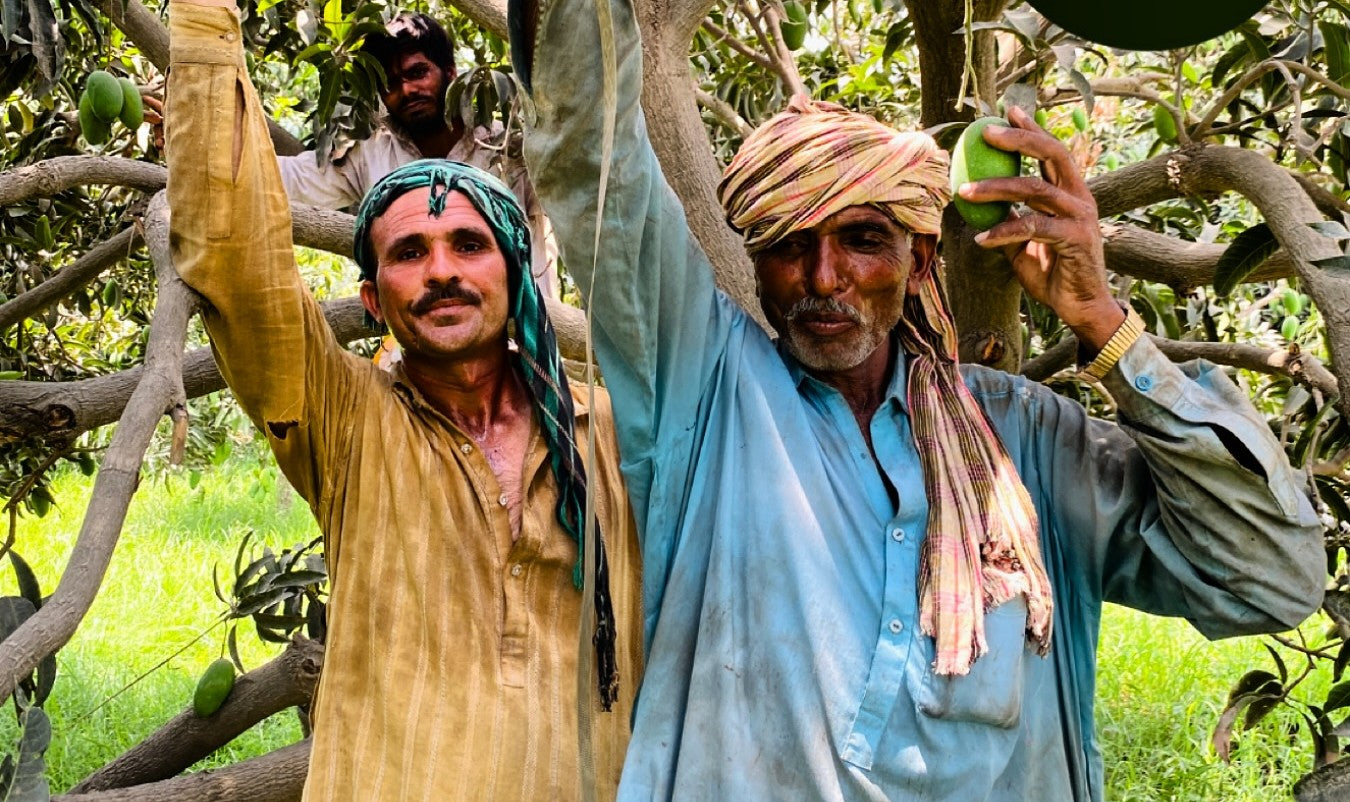
MMA Mangoes is first and foremost a family farm — not a trading house. That distinction matters. When you order from us, the fruit was growing on trees tended by the Malik family in Multan; it was hand-picked at the precise moment of peak ripeness by people who have done this for generations. There is no middleman selecting rejects to pass on; there is no cold-storage aging that erodes flavour.
For direct-to-consumer orders within Pakistan, we offer free delivery nationwide with Advance payment. Orders are packed in our signature 5kg premium gift boxes — each mango individually wrapped, cushioned, and sealed. Transit is typically 24–48 hours to major cities via temperature-managed courier.
For worldwide shipping, we work with trusted air freight partners and can advise on volume thresholds, lead times, and documentation for your country. The sweet spot for international personal orders tends to be one or two 5kg boxes; for commercial quantities, our wholesale team handles the full documentation and logistics chain. Explore our wholesale mango supply options if you are buying for retail or hospitality.
You can shop our premium Pakistani mango gift boxes directly — varieties are listed by season, and we only take orders when the fruit is at peak quality on the tree. No pre-season placeholders that arrive disappointing.
Pricing Tiers and FOB Benchmarks
Understanding price structure is essential for anyone entering the mango export business in Pakistan. Prices vary significantly by variety, grade, and format.
| Tier | Format | Retail Price (PKR) | Notes |
|---|---|---|---|
| Consumer / Gift | 5kg premium gift box | Rs 2,550 – Rs 3,150 | Free nationwide delivery, advance payment |
| Wholesale Domestic | 10–12kg carton | Contact for quote | Volume-based pricing; variety/grade dependent |
| Export FOB Karachi | Per kg (air) | USD 2.50 – 5.00+ | Grade A Anwar Ratol commands highest FOB |
| Export CIF Destination | Per box (5kg) | USD 25 – 50+ (UK/Canada) | Includes freight, insurance; retail markup 2–3x |
FOB benchmarks shift with fuel costs, season quality, and currency fluctuations — these figures reflect typical mid-season averages for Grade A fruit and should be verified with current quotes from Pakistani mango suppliers for export at time of ordering.
Challenges in the Pakistani Mango Export Industry
Transparency matters. Any honest guide to the mango export business in Pakistan must acknowledge the real challenges that affect exporters and their buyers:
- Phytosanitary interceptions: EU and UK border control has historically flagged Pakistani mango consignments for fruit fly (particularly Bactrocera zonata) and pesticide residue issues. Working with NAPHIS-certified exporters and farms with verifiable spray records is the only reliable mitigation.
- Short shelf life of premium varieties: Anwar Ratol's 6–10 day post-harvest window means air freight is mandatory — and expensive. Delays caused by documentation errors or flight cancellations can write off entire consignments.
- Inconsistent grading at farm level: Small landholders who lack pack-house infrastructure often mix grades, undermining the premium positioning of Pakistani mangoes as a category.
- Cold-chain gaps: Road transport from orchard to airport is the weakest link. Investment in reefer truck availability in mango-growing districts remains uneven.
- Carbide contamination in the supply chain: Unscrupulous operators continue to use calcium carbide despite bans, damaging Pakistan's reputation. Buying from farms with transparent, traceable practices — and visiting the orchard if scale justifies it — remains the safest approach.
These challenges are manageable with the right Pakistani mango suppliers for export. At MMA Mangoes, our family's direct involvement from tree to box means the chain of custody is short and accountable.
Frequently Asked Questions
What documents are required to export mangoes from Pakistan?
The core documents required to export mangoes from Pakistan are: a Phytosanitary Certificate from the Department of Plant Protection (DPP), a Certificate of Origin from TDAP or a Chamber of Commerce, a Commercial Invoice and Packing List, a Health Certificate (required by most Gulf and EU markets), and an Airway Bill or Bill of Lading from the carrier. Some markets — notably the UK post-Brexit and Canada — require additional import permits and compliance with destination-country MRL standards. Exporters must also hold a valid TDAP registration and HEDB registration before their first season shipment.
Which Pakistani mango variety is best for export?
Sindhri is the highest-volume export variety due to its long-ish shelf life (10–14 days on cold chain), immediately appealing golden appearance, and consistent production. However, Anwar Ratol — especially the "12 Number Ratol" — commands the highest FOB price per kilogram due to its extraordinary sweetness and intense demand from the Pakistani diaspora in the UK and Canada. White Chaunsa varieties (Nawabpuri and Mosami) are favoured for the August window when Sindhri and Ratol are finished. The "best" variety depends on your target market, logistics capability, and season timing.
Which countries import the most Pakistani mangoes?
The United Arab Emirates is historically the largest recipient by volume, driven by re-export activity through Dubai and direct retail in the UAE market. The United Kingdom is the largest premium-retail destination, with strong South Asian diaspora demand and growing mainstream supermarket interest. Saudi Arabia, Canada, Germany, and Norway are significant secondary markets. The USA remains an emerging market — fresh Pakistani mangoes require USDA APHIS-approved irradiation or hot-water treatment for entry, which limits volumes but demand is growing steadily among diaspora communities.
Is Pakistani mango carbide-free?
It depends entirely on the grower and supply chain. Calcium carbide use is banned in Pakistan but enforcement is uneven, and carbide-ripened mangoes remain common in domestic wholesale markets. At MMA Mangoes, every mango is hand-picked at natural peak ripeness from our Multan family orchard — no carbide, no synthetic ripening agents. When buying for export or personal consumption, always ask the supplier directly about ripening practices and, where possible, request farm-level documentation or visit the orchard.
How long does it take to ship Pakistani mangoes to the UK?
Air freight from Karachi or Lahore to London Heathrow takes approximately 7–10 flight hours, with total door-to-door time (including pack-house preparation, airport handling, and UK customs clearance) typically running 2–4 days for express shipments. This tight window is manageable for Sindhri (14-day shelf life) and Chaunsa but requires careful coordination for Anwar Ratol (6–10 days). Sea freight from Karachi to Felixstowe takes 20–25 days and is generally not viable for fresh premium fruit — it is used only for processed or frozen mango products. For more detail, see our page on importing Pakistani mangoes to the UK.
Can I order Pakistani mangoes online with delivery to my door?
Yes. MMA Mangoes ships 5kg premium gift boxes directly to customers across Pakistan with free nationwide delivery, advance payment. International orders are also accepted — worldwide shipping is available, with lead times and freight costs depending on your location and the variety in season. You can browse available varieties and place an order directly at our premium Pakistani mango gift box collection, or message us on WhatsApp at +92 300 9555810 for custom orders and availability during peak season.
Ready to taste the difference that three generations of mango farming makes? Whether you are ordering for yourself, your family, or exploring import opportunities, MMA Mangoes is here. Shop our premium Pakistani mango gift boxes — packed at the farm, delivered to your door, with free delivery across Pakistan and Advance payment available. For wholesale, export, and international shipping enquiries, message us on WhatsApp at +92 300 9555810. The season is short; the mangoes are worth it.