
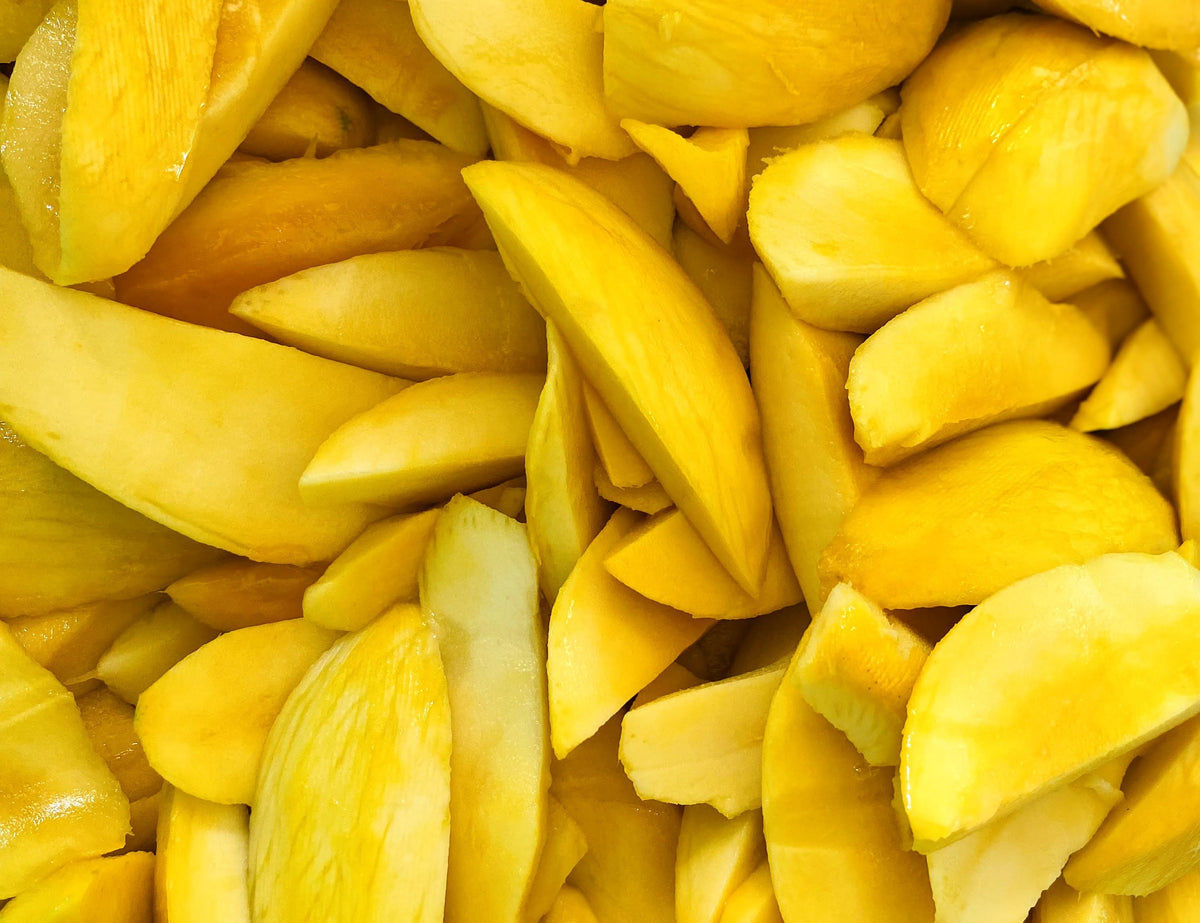
Mango Rabri Recipe (Rich Thickened Milk)
A good mango rabri recipe does three things at once: it fills your kitchen with the caramelised scent of slowly reduced milk, it lets you fold in the fragrance of truly ripe Pakistani mangoes at the last moment, and it produces a dessert that feels both ancient and extravagant on the spoon. Rabri — silky, clotted, saffron-gold thickened milk — has been a subcontinental classic for centuries. Add fresh Sindhri or Chaunsa pulp and you have something that tastes unmistakably like midsummer in Multan. This guide walks you through the complete recipe: the right milk ratio, the stirring technique that builds those signature malai layers, the precise moment to add mango, and the small tricks that separate a restaurant-quality rabdi from a grainy, sticky disappointment.
Whether you call it mango rabri or mango rabdi, the method is the same — a slow reduction of full-fat milk to roughly one-third of its original volume, sweetened with sugar and perfumed with cardamom, then finished with fresh mango puree or diced mango. The quality of your mangoes matters enormously here. Because the milk is already rich and sweet, a bland or under-ripe mango disappears into the background. A genuinely ripe Sindhri — honey-sweet, fibre-free, with that characteristic floral note — cuts through the cream and makes every spoonful taste alive. If you want the very best result, use mangoes from our shop of premium Pakistani mango gift boxes, hand-picked at peak ripeness from a family orchard in Multan and delivered cold-chain so they arrive exactly as they left the farm.
What Is Rabri and Why Mango Makes It Better
Rabri (also spelled rabdi, rabadi, or rabari) is a classic Pakistani and Indian sweet made by simmering full-fat whole milk in a wide, heavy pan over medium-low heat for 45–60 minutes, scraping the cream film that forms on the surface back into the milk rather than discarding it. That repeated folding-in of cream is what creates the layered, slightly chewy malai ribbons that define authentic rabri — you can feel the texture difference between real rabri and condensed-milk shortcuts the moment the dessert hits your tongue.
On its own, plain rabri is magnificent: ivory-pale, lightly spiced with green cardamom, sometimes flecked with pistachios. But Pakistani mango dessert culture has elevated it further. When ripe Sindhri or White Chaunsa puree is stirred in just before serving — not cooked with the milk, which would destroy the volatile aromatic esters that give the fruit its perfume — the result is a pale-gold cream with a mango fragrance so pronounced that it almost reads as a mango sorbet wearing a milk-fat coat. The contrast between the dense, slightly savoury richness of the rabri and the bright, acidic sweetness of the mango is precisely what makes this Pakistani mango dessert worth the hour it takes to make.
Ingredients for Mango Rabri (Serves 4–6)
For the Rabri Base
- 2 litres full-fat whole milk — do not use semi-skimmed; the fat is what creates the malai layers
- 80 g caster sugar (about 6 tablespoons) — adjust after tasting the mango, which adds sweetness
- 6–8 green cardamom pods, lightly crushed, seeds only (or 1/4 tsp ground cardamom)
- 1/4 tsp saffron strands (about 20 strands), bloomed in 1 tbsp warm milk for 10 minutes
- 1 tbsp rose water (optional but traditional; add at the very end)
For the Mango Finish
- 2 large ripe Sindhri or White Chaunsa mangoes (approximately 600–700 g total unpeeled weight) — ripe means the skin yields to gentle thumb pressure and the fruit smells floral even through the skin
- 1 tsp fresh lime juice — brightens the mango note and prevents oxidation
To Garnish
- Sliced raw pistachios (unsalted)
- A few saffron strands reserved from above
- Thin slivers of fresh mango set on top
- Edible silver leaf (warq) for a festive presentation, entirely optional
Equipment You Need
- A wide, heavy-based kadai or non-stick saucepan (diameter at least 28 cm) — width matters more than depth; a wider surface area means faster evaporation and faster layer formation
- A flat-edged wooden spatula or silicone scraper for folding the cream film
- A medium bowl for resting the finished rabri
- A blender or food processor for the mango puree
Step-by-Step How to Make Mango Rabri
- Bloom the saffron. Warm 1 tablespoon of the measured milk (not extra) in a small bowl for 20 seconds in the microwave. Add the saffron strands and leave them to steep while you begin the milk reduction. After 10 minutes the liquid will turn deep amber-gold.
- Start the milk reduction. Pour all 2 litres of milk into your wide kadai and set over medium heat. Stir continuously until it first reaches a boil — this prevents scorching on the base. Once boiling, reduce the heat to medium-low (gas mark 3 or an induction setting that keeps a very gentle simmer visible).
- Build the malai layers — the core technique. Every 2–3 minutes, a thin cream film will form across the milk's surface. Use your flat spatula to push this film gently to the side of the pan and press it against the wall, letting it stick there. Do not stir it back into the liquid yet — that would dissolve it. You are building up a stack of cream layers on the pan sides. Continue this for 40–50 minutes. If the milk starts to boil up or looks like it will overflow, lower the heat immediately and stir briefly.
- Add sugar, saffron, and cardamom. Once the milk has reduced to roughly half its original volume (about 25–30 minutes in), add the sugar, the bloomed saffron liquid, and the cardamom seeds. Stir to dissolve the sugar, then return to the cream-film folding routine. Adding the sugar too early causes it to stick to the base before the milk has formed enough of a protective fat layer.
- Reach one-third volume. After 45–55 minutes total, the milk should have reduced to approximately 600–700 ml — roughly one-third of where you started. It will be pale golden, noticeably thick (it will coat the back of a spoon), and studded with soft, cream-coloured malai flakes from the sides of the pan. Fold all those wall-stuck layers back into the milk now, stirring gently to combine.
- Cool to room temperature. Remove the pan from heat. The rabri will thicken further as it cools. Stir in the rose water if using. Transfer to a shallow bowl or individual clay matkas (small earthenware pots are traditional and keep the dessert cold longer). Let it cool for at least 30 minutes at room temperature before chilling.
- Prepare the mango. Peel and stone both mangoes. Cut about two-thirds of the flesh into small 1 cm dice and reserve. Blend the remaining one-third into a smooth puree with the lime juice. If your mango is a Sindhri, the puree will be nearly fibre-free; if it is a Chaunsa, pass it through a fine mesh strainer to remove any stringy bits. Taste and add a pinch of sugar only if your mango is noticeably tart.
- Chill the rabri first, then add mango. Refrigerate the plain rabri for at least 1 hour (ideally 2–3 hours). This is the critical step most home cooks skip: adding mango to warm rabri makes it watery as the heat drives off the fruit's liquid. Cold rabri is thick and stable; the mango folds in evenly without breaking the texture.
- Combine and serve. Fold the mango puree into the chilled rabri with a spatula — don't whisk, which would make it foamy. Then fold in most of the diced mango. Taste for sweetness; Sindhri is sweeter than Chaunsa, and some batches need no additional sugar at all. Spoon into serving bowls. Top with the reserved mango dice, sliced pistachios, a thread or two of saffron, and warq if you're dressing up the table.
Timing Guide and Milk Reduction Table
The numbers below are based on 2 litres of full-fat milk in a 28 cm kadai on medium-low heat. A narrower pan will take longer; a wider pan or higher heat will reduce faster but produces fewer distinct cream layers.
| Time (minutes) | Approximate Volume Remaining | Visual Cue | Action |
|---|---|---|---|
| 0–10 | 2 litres (full) | Rolling boil reached, then reduced | Begin cream-film folding every 2–3 min |
| 10–25 | ~1.5 litres | Pale ivory, visible steam, cream builds on sides | Keep folding; don't stir base |
| 25–35 | ~1 litre (half) | Noticeably thicker, slight golden tinge | Add sugar, saffron, cardamom |
| 35–50 | ~700–800 ml | Coats spoon, sweet aroma, deeper gold colour | Continue folding; watch base for sticking |
| 50–60 | ~600–650 ml (target) | Thick, pourable cream with visible malai ribbons | Fold in all wall layers, remove from heat |
Choosing the Right Mango Variety
The recipe works with any ripe mango, but the variety you choose shapes the final flavour profile significantly.
Sindhri (June)
Sindhri is the easiest choice for mango rabdi. It is Pakistan's most exported variety precisely because its flesh is almost entirely fibre-free, deep saffron-yellow, and intensely sweet with a honey-floral aroma that survives the cold-folding process beautifully. The puree is smooth without straining. Sugar requirement in the rabri base drops to about 60–65 g when using Sindhri.
White Chaunsa — Nawabpuri and Mosami (August)
White Chaunsa varieties are slightly more acidic and have a brighter, almost tropical top note compared to Sindhri's deeper sweetness. Nawabpuri Chaunsa has a thinner skin and slightly looser fibre; Mosami Chaunsa is denser with a longer shelf life. Both work superbly in rabri; the tartness balances the cream richness. Strain the puree through a medium mesh to catch any fibre. Our White Chaunsa premium box ships during August — plan your rabri-making accordingly if this is your preferred variety.
Anwar Ratol (July)
Anwar Ratol — and the larger "12 Number Ratol" — is a small, intensely perfumed mango prized above all others by connoisseurs in Lahore and Delhi. Its aroma is so concentrated that a single fruit can perfume a room. In rabri, use it in smaller quantities (one Ratol plus one Sindhri) because the fragrance can overwhelm the milky base if overdone. Absolutely extraordinary when balanced correctly.
Langra (July)
Langra has a distinctive slightly resinous, turpentine-adjacent note that polarises people — devoted fans call it complex; others prefer the cleaner sweetness of Sindhri. In rabri, Langra's assertive character holds its own against the cream. Use it if you like a mango dessert with some edge to it.
Tips for Perfect Mango Rabri Every Time
Never Use Low-Fat Milk
The malai layers that define authentic rabri form only from the fat-protein skin that develops on full-fat milk. Semi-skimmed milk forms a thinner skin that dissolves back into the liquid before you can fold it. You will end up with sweetened condensed milk, not rabri. Full-fat (usually 3.5% fat content) is non-negotiable.
Width Beats Depth
A wider kadai exposes more surface area to air, which means the cream film forms faster and you build layers more quickly. The same 2 litres in a 20 cm deep saucepan versus a 30 cm wide kadai can differ by 20 minutes in cooking time. Wide is always better.
Keep the Heat Consistent
The single most common failure mode in rabri is uneven heat. Too high, and the base scorches (producing a bitter, grainy result); too low, and the milk barely reduces. You want a steady, medium-low simmer — small, lazy bubbles breaking the surface in the centre. If you have an induction hob, 140–150°C (or level 4 of 9 on most cookers) is typically right.
Add Mango Cold, Not Warm
This is covered in the step-by-step above but worth repeating: add your mango only after the rabri has chilled in the refrigerator. Warm rabri + mango = a watery, separated mess within 30 minutes. Cold rabri + mango = a stable, creamy dessert that holds its texture for up to 24 hours in the fridge.
Taste Your Mango Before Adjusting Sugar
Mango sweetness varies dramatically — not just by variety, but by season, ripeness, and even which part of the orchard the fruit came from. Always taste a piece of the mango before you finalise the sugar in the rabri base. A fully ripe Sindhri from a good orchard can push the Brix (sugar content) above 20, which means the rabri base needs considerably less added sugar than a mediocre mango would require.
Rose Water Is Optional But Traditional
In the Multan and Lahore tradition, a teaspoon of good rose water added off the heat is standard. It gives the dessert a faintly perfumed, festive character that pairs well with Sindhri's floral notes. Use a trusted brand (Hamdard or Ahmed Foods rose water are both clean-tasting); cheap rose essence can smell synthetic and ruin the whole batch.
Variations on the Mango Rabri Recipe
Mango Rabri with Condensed Milk (Shortcut)
If you are short on time, you can start with 1 litre of full-fat milk, reduce it to roughly 600 ml, and then stir in 200 g of sweetened condensed milk. The result is richer and sweeter than the from-scratch version and lacks the distinct malai ribbons, but it is still very good and takes 25–30 minutes instead of 55–60. Omit almost all added sugar since condensed milk is already very sweet. This shortcut is acceptable for a weeknight; for Eid or a dinner party, take the time for the real thing.
Mango Rabri Kulfi
Fold the finished mango rabri into kulfi moulds (or small plastic cups) and freeze for 6–8 hours. The result is a dense, intensely flavoured mango kulfi with a much creamier, less icy texture than kulfi made with plain condensed milk. The malai layers become little pockets of chewiness inside the frozen dessert — a pleasant textural surprise. For a full guide on freezing techniques and mango-kulfi flavour combinations, see our mango kulfi recipe.
Mango Rabri Trifle (Fusion)
Layer cold mango rabri with crumbled shahi tukray (fried bread soaked in saffron milk), diced mango, and crushed pistachios in a glass trifle bowl. Refrigerate for 2 hours. The bread absorbs the rabri cream and softens into a bread-pudding-like layer while the mango stays bright and fresh on top. An impressive dinner-party dessert that can be assembled 4 hours ahead.
Diabetic-Friendly Adaptation
Replace caster sugar with an equal weight of erythritol or a blend of stevia and erythritol (70:30 works well). The Maillard-style colour from erythritol is slightly less pronounced, and the texture is marginally less thick, but the flavour is very close. Avoid xylitol, which can crystallise grittily when the rabri cools.
Storage and Make-Ahead Notes
How Long Does Mango Rabri Keep?
Plain rabri (without the mango) keeps well in an airtight container in the refrigerator for 4–5 days. The flavour actually deepens on day 2 as the saffron continues to steep. Add the mango only on the day you plan to serve it; mango breaks down quickly once cut and folded into the cream, and after 24 hours the texture becomes a little loose and the fruit colour fades.
Can You Freeze Rabri?
Yes — plain rabri freezes reasonably well for up to 6 weeks. Freeze in a flat, shallow container, not a deep box (shallow freezing prevents large ice crystals). Thaw overnight in the fridge and stir gently to recombine any separated fat before folding in fresh mango. Do not freeze mango rabri once the fruit has been added; it becomes icy and the mango fibres turn mealy.
Serving Temperature
Mango rabri is best served at refrigerator-cold — around 4–6°C. Remove it from the fridge 5 minutes before serving so it loses the very sharpest chill (extreme cold suppresses sweetness perception), but do not let it sit at room temperature for more than 20 minutes or the malai fat starts to separate to the surface and the mango puree begins to weep liquid.
Serving Suggestions
- With Jalebi: The classic Pakistani pairing. The crisp, syrup-soaked spirals contrast perfectly with the cold, dense cream. Buy fresh, still-warm jalebi and serve immediately alongside cold mango rabri — the temperature contrast is part of the pleasure.
- With Gulab Jamun: Place two warm gulab jamun in the centre of a serving bowl and ladle cold mango rabri around them. The syrup from the gulab jamun bleeds into the cream, thinning it slightly and adding a rosewater-syrup sweetness.
- Over Paratha Crumbs: In some Multan households, a fried paratha is crumbled into rough chunks and served in a bowl with rabri poured over. It sounds unlikely; it is extraordinary. The flaky, buttery paratha soaks up the cream like a sponge.
- In Clay Matkas: Small unglazed earthenware pots impart a faint mineral, earthy quality to the cream and keep it cold longer than glass or steel bowls. If you can find them at a Pakistani grocery, they are worth using for special occasions.
- As a Dessert Bar Element: Serve mango rabri alongside premium Pakistani mango gift boxes at a summer dinner party — guests can spoon fresh mango directly from the box onto their rabri. The contrast between the freshly cut mango and the cream creates a very elegant shared-table moment.
Frequently Asked Questions
What is the difference between rabri and kheer?
Kheer is made by cooking rice (or vermicelli) in milk until the starch thickens the liquid — the thickening agent is the grain. Rabri contains no grain; the thickening comes entirely from reducing the milk itself through prolonged simmering and repeatedly folding the fat-protein cream film back in. Rabri is denser, fattier, and has visible malai threads; kheer is smoother and lighter. Both are Pakistani mango dessert classics but with quite different textures.
Can I use canned mango pulp instead of fresh mango?
Yes, in a pinch. Kesar or Alphonso canned pulp is clean-tasting and works technically. However, canned pulp is heat-processed, which destroys many of the volatile aromatic compounds responsible for the "fresh mango" perfume. You will get a sweet, mango-flavoured rabri but not the bright, alive fragrance you get from a genuinely ripe fresh Sindhri or Chaunsa. If using canned pulp, reduce the added sugar in the rabri base by 20 g and skip the lime juice, as canned pulp is already balanced for sweetness and acidity.
Why did my rabri turn grainy or sandy?
Graininess in rabri is caused by one of two things: heat that is too high (which causes the milk proteins to denature and aggregate into granules rather than smooth layers), or sugar added too early before the milk has formed a sufficient fat layer on the base (the sugar then scorches). Fix: keep the heat firmly at medium-low throughout, and add sugar only after 25–30 minutes of reduction when the milk is already visibly thickening. Stirring too vigorously also breaks up the cream layers — use a gentle fold, not a stir.
How do I make mango rabdi without the saffron?
Saffron is traditional but not essential. Without it, the rabri will be paler in colour (ivory-white rather than gold), and the flavour will be purely milk-cardamom-mango without the slightly hay-like, honeyed complexity that saffron adds. The texture and technique are identical. If you want some colour without the cost of saffron, a pinch of good-quality turmeric (no more than 1/8 tsp) gives a warm golden tone without affecting flavour noticeably at that concentration.
Which Pakistani mango variety is best for this recipe?
Sindhri is the most forgiving: fibre-free, intensely sweet, smooth-pureeing, available in June. White Chaunsa (Nawabpuri or Mosami, available in August) gives a brighter, slightly more acidic flavour that cuts through the rich cream beautifully. Anwar Ratol produces an extraordinarily perfumed version but must be used in moderation. Any genuinely ripe mango from a reputable source will outperform a semi-ripe mango of any variety — ripeness matters more than variety selection.
Can I prepare mango rabri a day in advance for a party?
Partially, yes. Make and refrigerate the plain rabri base up to 2 days ahead — it actually improves overnight as the saffron and cardamom steep further. On the morning of your event, prepare the mango puree and dice and store separately in a sealed container in the refrigerator. Fold the mango into the rabri no more than 2–3 hours before serving. Garnish (pistachios, saffron threads, mango slices) only at the last moment so they stay fresh-looking on the table.
When mango season arrives, the best rabri starts with the best mangoes. Our family orchard in Multan hand-picks every box at peak ripeness — carbide-free, cold-chain packed, and delivered free to your door anywhere in Pakistan. Order your premium mango gift box now, or WhatsApp us at +92 300 9555810 for Cash on Delivery and nationwide free delivery. Worldwide shipping is also available for the diaspora craving a taste of home.