
Mango Panna Cotta Recipe with Fresh Pakistani Mangoes
A mango panna cotta recipe sounds fancy, but it is one of the most forgiving desserts you can make at home. Silky, barely-set cream perfumed with ripe mango puree, then crowned with a vivid mango coulis — the whole thing comes together in about twenty minutes of hands-on time and chills quietly in the fridge while you get on with your day. If you have access to peak-season Pakistani mangoes, you already have the hardest part covered.
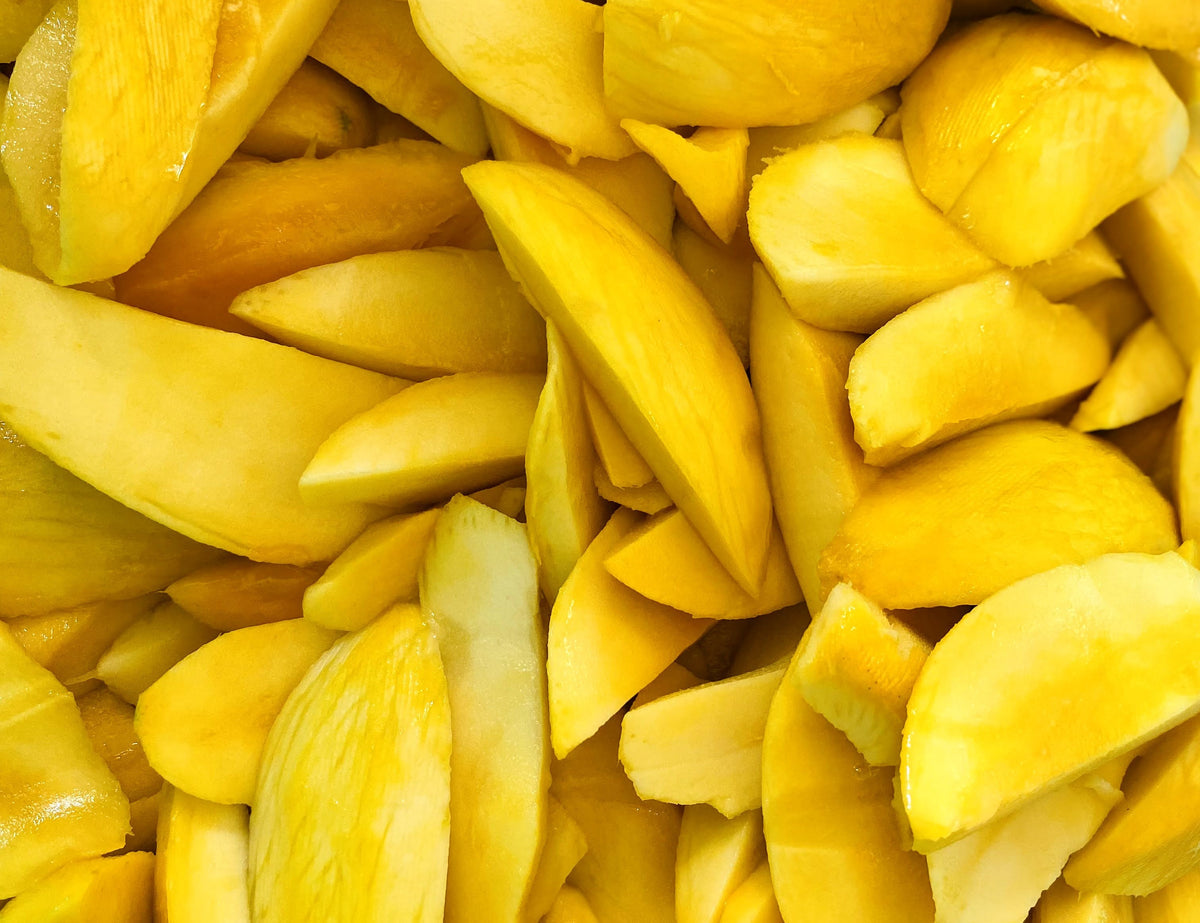
We make this at the farm in Multan every June when the Sindhri trees are at their fullest. Sindhri flesh is so naturally sweet and fibreless that it blends into the smoothest, deepest-coloured puree you will ever work with. White Chaunsa works beautifully in August for a paler, buttery version. The recipe below is calibrated for fresh ripe mangoes, though we have included guidance for frozen or tinned puree when fresh fruit is not in season.
Whether you are searching for an easy mango panna cotta for a dinner party, a showstopping mango dessert recipe for Eid, or simply a smart way to use the last couple of mangoes in the house, this guide covers everything — ingredients, technique, flavour variations, storage, and the most common questions we hear from home cooks.
Why Pakistani Mangoes Make the Best Mango Panna Cotta
Panna cotta is Italian in origin — literally "cooked cream" — and the classic recipe relies on a restrained hand with sugar because the cream itself is the star. When you introduce mango, the fruit needs to be extraordinary, otherwise the dessert tastes generic. Pakistani Sindhri and Chaunsa mangoes earn their reputation precisely because their sugar-to-acid balance is deeper and more complex than most commercial varieties on the global market.
Here is a quick comparison of the varieties we grow and how each performs in this recipe:
| Variety | Peak Season | Flavour Profile | Panna Cotta Result |
|---|---|---|---|
| Sindhri | June | Honeyed, fibreless, golden, mild acidity | Rich amber colour, deeply sweet, crowd-pleasing |
| Langra | July | Aromatic, tangy-sweet, green-skinned | Slightly sharper flavour, beautiful contrast with cream |
| Anwar Ratol / 12 Number | July | Intensely sweet, paper-thin seed, small fruit | Concentrated flavour; use fewer mangoes by weight |
| Nawabpuri White Chaunsa | August | Buttery, rich, pale flesh | Ivory-tinted panna cotta, almost caramel-like depth |
| Mosami White Chaunsa | August | Creamy, floral, very low fibre | Supremely smooth puree, elegant presentation |
All five varieties arrive at your door carbide-free and hand-picked at peak ripeness from our Multan orchard. You can shop our premium Pakistani mango gift boxes and choose the variety that matches your preferred season or flavour profile.
Ingredients for Mango Panna Cotta Recipe (Serves 6)
For the cream layer
- 500 ml (2 cups) full-fat double cream or heavy cream
- 250 ml (1 cup) whole milk
- 70 g (5 tbsp) caster sugar
- 2.5 tsp (8 g) powdered gelatine or 4 gelatine leaves (platinum grade)
- 1 tsp pure vanilla extract (or half a vanilla pod, scraped)
- A pinch of fine sea salt
For the mango layer and coulis
- 3 large ripe Sindhri or Chaunsa mangoes (yielding approximately 400 g / 1.75 cups of flesh)
- 2 tbsp caster sugar (adjust to taste depending on mango sweetness)
- 1 tbsp fresh lime juice
- A pinch of fine cardamom (optional but highly recommended with Pakistani varieties)
To serve (optional garnishes)
- Fresh mango slices, thinly cut
- Dried rose petals or a few threads of saffron bloomed in warm water
- Crushed pistachios or toasted coconut flakes
- A tiny drizzle of honey
Equipment needed: 6 ramekins (150–180 ml each), a small saucepan, a blender or stick blender, a fine-mesh sieve, and cling film.
Step-by-Step Instructions
Step 1 — Prepare the mango puree (15 minutes)
Peel and cube your mangoes. If you are using Sindhri, the flesh peels away from the flat seed cleanly; run a spoon along the seed face to recover every last piece. Blend the cubed flesh until completely smooth, then pass it through a fine-mesh sieve if you want a glass-smooth texture (with properly ripe Sindhri this step is optional — the fibres dissolve). You should have roughly 400 g of puree.
Divide the puree: set aside 150 g for the mango top layer (the coulis) and keep 250 g for folding into the cream base. Stir the lime juice and cardamom into the coulis portion and set aside. Taste it — with a truly ripe Pakistani mango you will need very little added sugar. Start with one tablespoon and adjust.
Step 2 — Bloom the gelatine (5 minutes)
For powdered gelatine: sprinkle it over 3 tablespoons of cold water in a small bowl and leave for 5 minutes. It will swell into a spongy mass. Do not stir it; just let it hydrate.
For gelatine leaves: submerge the leaves in a bowl of cold water for 5 minutes until they are soft and pliable, then squeeze out all excess water before use.
Step 3 — Make the cream base (10 minutes)
Combine the cream, milk, and caster sugar in a medium saucepan over medium-low heat. Stir gently and bring just to the point of steaming — you want small bubbles around the edges but no rolling boil. Remove from heat, add the vanilla and the pinch of salt, and stir.
Add the bloomed gelatine (the swollen powdered mass, or the squeezed leaves) directly to the hot cream and whisk until completely dissolved. This usually takes about 90 seconds of whisking. If any undissolved grains remain, pass the mix through a sieve.
Step 4 — Combine cream and mango (2 minutes)
Let the cream mixture cool slightly — about 5 minutes off the heat, until it is warm rather than hot (around 50–55 °C / 120–130 °F). Whisk in the 250 g of mango puree reserved for the base. The mixture will turn a gorgeous golden-amber colour. Taste for sweetness; Sindhri mangoes are naturally very sweet so you may not need any adjustment.
Step 5 — Pour and set (minimum 4 hours, ideally overnight)
Lightly dampen the inside of your ramekins with a paper towel dipped in neutral oil — this makes unmoulding cleaner, though it is entirely optional if you plan to serve in the ramekin. Pour the cream-mango mixture evenly into the six ramekins, leaving about 1 cm of headspace at the top for the coulis layer.
Cover each ramekin with cling film pressed directly onto the surface to prevent a skin forming. Refrigerate for a minimum of 4 hours. For a firmer set — which makes unmoulding far easier — leave overnight.
Step 6 — Add the mango coulis top layer
Once the panna cotta has set, taste the coulis once more and adjust sugar or lime. Carefully spoon a thin, even layer (about 2–3 tablespoons) over each ramekin. Return to the fridge for at least 30 minutes so the coulis firms up slightly.
Step 7 — Unmould or serve in ramekin
To unmould: run a thin knife around the edge, place a chilled plate over the ramekin, and flip confidently in one motion. Give the ramekin a gentle shake. The panna cotta should release cleanly. If it resists, hold the ramekin in a bowl of very warm water for 10 seconds and try again.
Serve immediately, garnished with fresh mango slices, a few dried rose petals, and crushed pistachios if you like.
Tips for a Perfect Mango Panna Cotta Every Time
- Do not boil the cream. Boiling drives off moisture, alters the milk proteins, and can produce a grainy texture. Steam is your target temperature.
- Gelatine is calibrated for balance. This recipe sets to a trembling, barely-there wobble — classic Italian style. If you want a firmer dessert that stacks cleanly, increase gelatine by half a teaspoon. For a very soft mousse-like set, reduce by half a teaspoon.
- Use the ripest mangoes you can find. Panna cotta amplifies rather than rescues fruit flavour. An underripe mango produces a watery, starchy puree that competes with the cream rather than complementing it.
- Strain the puree. Even so-called fibreless varieties like Sindhri can have fine threads near the seed. Running the puree through a sieve takes 60 seconds and guarantees a silky result.
- Temperature when combining matters. If the cream is too hot when you add the mango puree, it can cook the fruit sugars slightly, dulling the fresh flavour. Let the cream cool below 55 °C before folding in.
- Cardamom is not compulsory, but try it. A single pinch of freshly ground green cardamom in the coulis layer adds a subtle desi warmth that anchors the dish in Pakistani flavour tradition without overwhelming the mango.
Variations on This Easy Mango Panna Cotta
Coconut mango panna cotta
Replace 150 ml of the double cream with full-fat coconut milk. The coconut amplifies the tropical character of Sindhri beautifully and makes the recipe completely dairy-light (though not dairy-free, since the remaining cream is still present). Finish with toasted coconut flakes.
Saffron and mango panna cotta
Bloom a small pinch of Kashmiri saffron threads in 2 tablespoons of warm milk for 10 minutes, then whisk this into the cream mixture before adding the gelatine. The result is an extraordinary golden-orange dessert with a floral depth that pairs spectacularly with White Chaunsa — try our White Chaunsa premium box for the full effect.
Mango panna cotta tart
Line a tart shell (blind-baked shortcrust or a crushed-digestive butter base) and pour the panna cotta mixture directly in. Refrigerate as normal, then spoon the coulis over the top and garnish with thin mango fans. This format travels well for dinner parties because the tart shell holds the dessert stable.
Vegan version (agar-agar)
Substitute the gelatine with 1.5 tsp agar-agar powder dissolved in the cream mixture and brought to a brief 2-minute simmer (agar requires boiling to activate, unlike gelatine). Use 400 ml coconut cream in place of dairy cream and 350 ml coconut milk in place of whole milk. The set will be slightly firmer and more opaque. Proceed exactly as above.
Layers: cream first, then mango
For a two-tone visual effect, make the plain cream panna cotta first (omit the mango puree from the base entirely). Let it set fully, about 3 hours. Then pour the mango puree mixed with a small amount of separately bloomed gelatine (1 tsp gelatine dissolved in 2 tbsp warm water) on top. Chill a further 2 hours. When unmoulded, you get a white cream layer sitting beneath a vivid mango layer — dramatic and elegant.
Pairing and Serving Suggestions
Mango panna cotta with mango puree is a standalone dessert, but a few simple accompaniments lift it further. Thinly sliced fresh mango fanned around the base is the most classic presentation. Crushed roasted pistachios add texture and a mild savoury note. A very thin drizzle of raw honey — ideally Pakistani Sidr honey if you can find it — adds floral complexity.
For a full Pakistani summer dessert spread, serve mango panna cotta alongside our mango lassi recipe as the drink course. The lassi is cooling and dairy-based just like the panna cotta, so keep portions moderate, but the two together create an immersive mango experience that guests genuinely remember.
On the table: a cold panna cotta benefits from being set out 10 minutes before serving — it releases flavour more fully at just above fridge temperature. Do not leave it at room temperature for more than 30 minutes in warm weather as gelatine-set desserts can soften quickly.
Storage and Make-Ahead
Panna cotta is one of the most make-ahead-friendly desserts in any cook's repertoire. Here is what you need to know:
- Refrigerator: Covered tightly with cling film, the panna cotta keeps perfectly for up to 3 days in the fridge. The flavour actually improves after the first 24 hours as the cream and mango meld together.
- Coulis separately: If you are making ahead, store the mango coulis in a separate jar and spoon it on the day of serving. This keeps the surface colour vivid rather than dull.
- Freezing: Gelatine-set desserts do not freeze well — the texture becomes grainy on thawing. Do not attempt to freeze panna cotta.
- Unmoulding in advance: You can unmould and plate the panna cottas up to 2 hours before serving, covered loosely with cling film in the fridge. Do not unmould more than 2 hours ahead as the dessert may slide or weep.
Frequently Asked Questions
Can I use tinned mango puree instead of fresh mangoes?
Yes, tinned Alphonso or Kesar puree works in this recipe when fresh Pakistani mangoes are out of season. Use 250 g for the cream base and 150 g for the coulis, as above. Be aware that tinned purees are usually pre-sweetened, so taste before adding any additional sugar — you may need none at all. Fresh ripe Sindhri or Chaunsa mango will always produce a more vivid, aromatic result because you are capturing fruit at the moment of peak ripeness rather than after processing.
How do I know if the panna cotta has set properly?
Gently nudge a ramekin — the surface should wobble as a single unit, like a very firm jelly, rather than rippling in waves (which signals under-setting) or not moving at all (which signals over-gelatinisation). After 4 hours in the fridge, the texture should be correct. If it is still liquid in the centre, give it another hour. If you are concerned, use a cocktail stick inserted into the centre — it should come out clean with just a slight cream coating.
What is the best mango variety for an easy mango panna cotta?
Sindhri is our first recommendation because its fibreless, deeply sweet flesh blends into a faultlessly smooth puree without straining. It is available in June. For an August version, Nawabpuri White Chaunsa produces a buttery, ivory-tinted panna cotta with extraordinary depth. Anwar Ratol is intensely concentrated — reduce your quantity by about 20% compared to Sindhri as the flavour is much stronger by weight.
My panna cotta did not set — what went wrong?
The three most common causes are: (1) the gelatine was not fully dissolved before the cream cooled — whisk the gelatine into the hot cream vigorously and check by lifting the whisk to see if any granules remain; (2) the gelatine was added to cream that was too hot and then boiled briefly, which can deactivate it — bring the cream to a steam only, never a boil; (3) insufficient quantity of gelatine relative to the liquid — measure carefully and note that different brands have slightly different bloom strengths. Platinum-grade leaves and standard supermarket powdered gelatine both work, but the quantities in this recipe are calibrated for standard-grade powder.
Can I make a mango panna cotta recipe without gelatine?
Yes. Agar-agar is the standard substitute. Use 1.5 tsp of agar-agar powder for this recipe. The key difference is that agar must be brought to a boil to activate — dissolve it in the milk, bring to a simmer for 2 minutes while stirring, then add the cream and mango. The resulting texture is slightly more firm and less yielding than a gelatine version, but it works well. Agar-agar also makes the recipe suitable for vegetarians and vegans (combined with non-dairy cream).
How do I ship or transport panna cottas to a party?
Transport panna cottas in their ramekins, covered with cling film, in a cool bag with ice packs. Do not pre-unmould for transport — the gel is stable in its ramekin but fragile once released onto a plate. Unmould at the destination. They will survive a 1–2 hour journey at fridge-cold temperatures without any deterioration. If the venue has a fridge, this is always the safest option for a mango dessert recipe that needs to arrive looking perfect.
Order Fresh Pakistani Mangoes for This Recipe
The single best upgrade you can make to this panna cotta is starting with fruit that was hand-picked at peak ripeness and cold-chain handled from our Multan orchard directly to your door. Our five premium varieties — Sindhri, Langra, Anwar Ratol, Nawabpuri White Chaunsa, and Mosami White Chaunsa — arrive carbide-free in 5 kg gift boxes, with free delivery nationwide across Pakistan and worldwide shipping available. Cash on Delivery is offered throughout Pakistan.
Shop our premium Pakistani mango gift boxes and select the variety that matches your season. Have a question about availability, ripeness, or delivery timing? Message us directly on WhatsApp at +92 300 9555810 — the Malik family picks up.