
Mango Mastani Recipe (Thick Mango Milkshake)
The mango mastani recipe is one of those drinks that earns its name — rich, thick, almost too indulgent to be called a milkshake, piled with toppings until it borders on dessert. Originating from the streets of Pune, India, mastani has always been about extravagance: real mango pulp blended with ice cream and full-fat milk, then crowned with scoops of ice cream, dry fruits, and a cherry. Made at home with a truly ripe, fibreless Pakistani mango — a Sindhri or White Chaunsa from the peak of season — it becomes something else entirely. The flavour is so deep and naturally sweet that you barely need anything extra.
If you have been wondering how to make mango mastani at home without any special equipment, this guide covers everything: the right mango to use, the exact ratio of ingredients, step-by-step blending instructions, topping ideas, make-ahead tips, and the variations worth trying. Whether you are a first-timer or refining a recipe you have made ten times, the single biggest upgrade you can make is using a mango that is genuinely ripe at the farm level — not gas-ripened, not picked green. At MMA Mangoes, our mangoes are hand-picked at peak ripeness on our family orchard in Multan and shipped carbide-free, so the sweetness and aroma you taste in this drink are entirely real.
This recipe makes two generous glasses. Read through once before you start — the technique is simple, but the sequence matters if you want that signature thick mango shake texture without it turning icy or watery.
What Is Mango Mastani? (And Why Mango Quality Matters So Much)
Mastani is a Pune institution. Named after the dancer and consort Mastani, the drink was popularised by Sujata Mastani — a decades-old shop in Sadashiv Peth — and has since spread across South Asia. Unlike a standard mango milkshake, mastani is intentionally thick, cold, and heavily garnished. The base is dense: high-ratio mango to milk, with full-fat ice cream blended in rather than added as a topping only. The result is almost spoonable.
Because the recipe has so few ingredients — mango, milk, ice cream, optional sugar — the mango does 80% of the work. A watery, carbide-ripened mango produces a thin, mildly flavoured drink. A farm-ripe Sindhri or Chaunsa produces a golden, intensely aromatic drink that needs no flavour extracts or syrups.
Best Mango Varieties for Mastani
| Variety | Flavour Profile | Season (Pakistan) | Why It Works in Mastani |
|---|---|---|---|
| Sindhri | Honeyed, fibreless, golden-fleshed | June | Zero fibre blends silky smooth; natural sweetness reduces need for added sugar |
| Nawabpuri White Chaunsa | Buttery, rich, royal sweetness | August | High solids content makes the shake extra thick; cream-coloured flesh looks gorgeous |
| Mosami White Chaunsa | Delicate, floral, buttery | August | Subtle aroma that pairs well with vanilla ice cream |
| Anwar Ratol / 12 Number Ratol | Intensely sweet, paper-thin seed | July | Exceptional for concentrated flavour; small size means you need 3-4 mangoes per batch |
| Langra | Aromatic, tangy-sweet, green-skinned | July | The slight tang balances the cream well; use ripe (yielding to gentle pressure) |
Our premium Pakistani mango gift boxes are available by variety so you can choose the exact mango that suits your mastani batch.
Ingredients for Mango Mastani (Serves 2)
Base (Blended)
- 2 large ripe mangoes (about 500g flesh) — Sindhri or White Chaunsa premium box recommended
- 200 ml full-fat cold milk (whole milk; do not substitute UHT for best texture)
- 2 large scoops vanilla ice cream (about 100g) — blended into the base, not just for topping
- 4-6 ice cubes (use fewer if mangoes were chilled; more if mangoes were at room temperature)
- 1-2 teaspoons sugar (optional — taste your mango first; Sindhri often needs none)
- A pinch of cardamom powder (optional; adds a traditional warmth)
Toppings (The Mastani Moment)
- 2 scoops vanilla or mango ice cream
- 2 tablespoons fresh mango cubes
- 1 tablespoon chopped mixed dry fruits: pistachios, almonds, cashews
- 1 tablespoon tutti-frutti or glazed cherries
- 2 tablespoons rose syrup (rooh afza) — a few drops or a generous drizzle, your call
- Chopped dates (optional, adds natural sweetness and texture)
- Wafer roll or biscuit straw for serving
Step-by-Step Instructions: How to Make Mango Mastani at Home
- Chill everything first. Place your glasses, the blender jar, and the milk in the freezer for 10 minutes before you begin. A cold blender and cold glass keep the mastani from melting too fast and turning watery. If your mangoes have been sitting at room temperature, peel and cube the flesh and freeze it for 20 minutes.
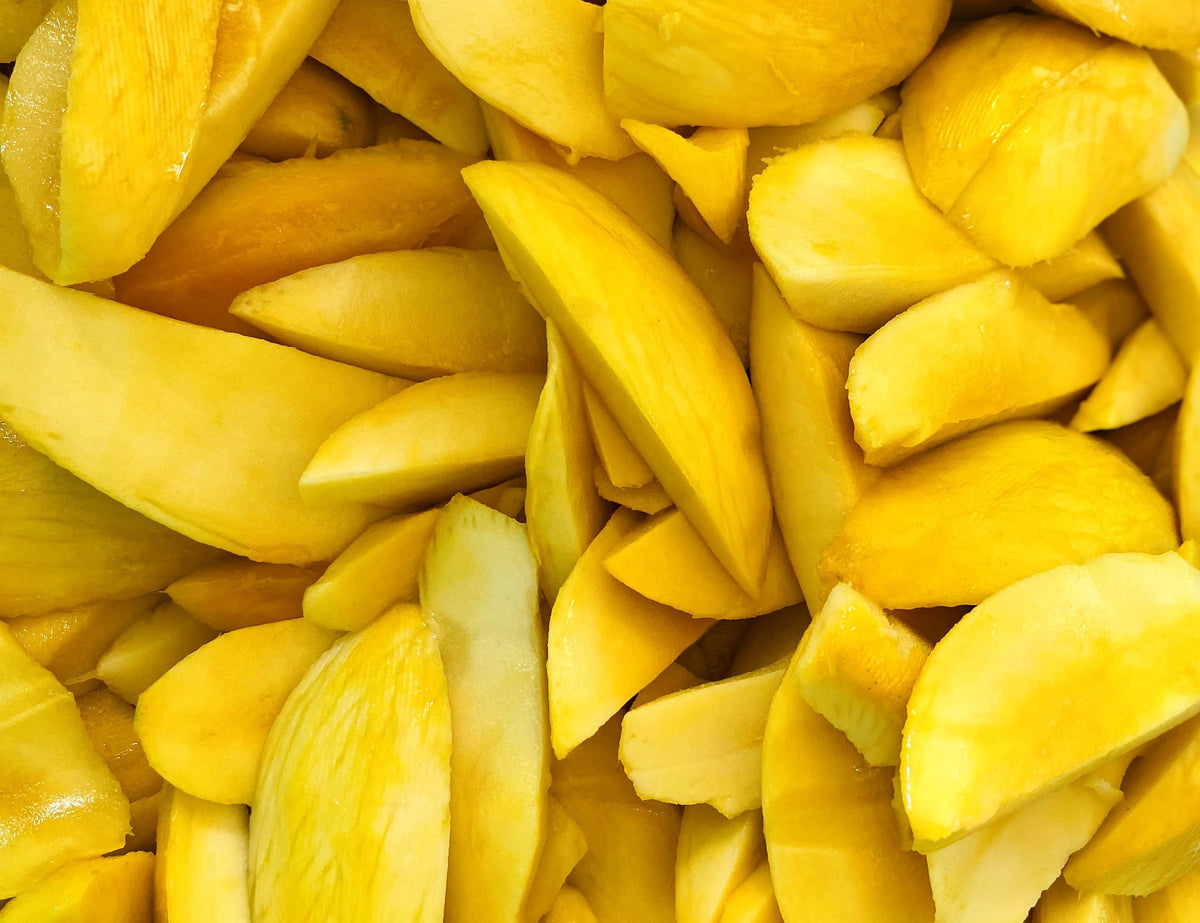
- Prepare the mango. Peel both mangoes. Slice the flesh off the seed in long pieces, then cut into rough chunks. Reserve 2 tablespoons of your best-looking cubes for the topping — set these aside in a small bowl in the fridge. The rest goes into the blender.
- Blend the base — sequence matters. Add the mango chunks to the blender first, then the ice cream scoops, then pour the cold milk over both. Add ice cubes last. This order prevents the milk from going frothy before the mango breaks down. Taste a small chunk of your mango now — if it is intensely sweet (Sindhri or ripe Chaunsa usually is), skip the sugar entirely.
- Blend on high for 60 seconds. Stop, scrape down the sides, and blend for another 20 seconds. The consistency should be thick enough that it moves slowly in the blender and does not splash — if it is too thin, add another half-scoop of ice cream and blend for 15 seconds more. If it is too thick to blend, add 1-2 tablespoons of milk only.
- Taste and adjust. Add sugar only if needed. Add cardamom only if you like a subtly spiced note. Blend for 10 more seconds after any additions.
- Pour into chilled glasses. Fill each glass about three-quarters full. Leave room for the toppings — this is the moment mastani becomes mastani.
- Build the topping crown. Place one generous scoop of ice cream directly on top of each glass. Add the reserved fresh mango cubes alongside the scoop. Scatter the dry fruits over and around the ice cream. Add tutti-frutti or a cherry on top. Drizzle rose syrup in a slow spiral from the ice cream outward.
- Serve immediately. Push a wafer roll or biscuit straw into the ice cream scoop at an angle. Serve at once — mastani is meant to be eaten while the ice cream is still whole and the contrast between the cold thick shake and the slowly melting scoop is at its best.
Pro Tips for a Thick Mango Shake Every Time
Texture is everything in mastani. A thin shake is a disappointment regardless of how good the mango is. These are the variables that control thickness:
- Ice cream ratio is your primary lever. More ice cream = thicker shake. For an extra indulgent version, use 3 scoops in the base instead of 2. This also makes the shake richer and more calorie-dense, which is the point.
- Frozen mango beats ice cubes. If you have time, cube the mango and freeze it for 1-2 hours. Frozen mango chunks thicken the shake without diluting it the way ice cubes do. This is the technique used by good mastani shops.
- Reduce the milk, increase the mango. The ratio of mango flesh to milk in this recipe is already 2.5:1 by weight, which is deliberately high. Standard milkshakes run 1:1. Resist the urge to add more milk if the blender struggles — instead, blend in short pulses.
- Full-fat milk only. Skimmed milk and plant milks produce a noticeably thinner result with less flavour body. If you want a dairy-free version, use full-fat coconut cream (100ml) and reduce or skip the ice cream. It will taste different but still rich.
- Do not over-blend. Over-blending warms the mixture and introduces too much air. Sixty seconds plus a 20-second top-up is enough. Stop when it is smooth.
- Avoid mangoes with fibrous flesh. Some varieties sold at local markets — particularly imported Tommy Atkins — have a coarse, fibrous texture that survives blending and produces a grainy shake. Sindhri and White Chaunsa are naturally fibreless; this is one of the reasons they are the gold standard for mango shakes in Pakistan.
Variations Worth Trying
1. Sindhri Mastani (Classic Golden)
Use only Sindhri mango. Skip the cardamom. Use vanilla ice cream in the base and a scoop of mango ice cream (kulfi works beautifully) on top. The colour is deep amber-gold and the flavour is pure honey-mango with no tartness. This is the version to make in June when Sindhri is at its peak.
2. White Chaunsa Mastani (Royal Cream)
Use Nawabpuri or Mosami White Chaunsa. The flesh is paler — almost cream-coloured — so the shake looks ivory-white rather than yellow. Use vanilla bean ice cream (not plain vanilla) to complement the buttery Chaunsa notes. Top with silver varq if you want a celebratory presentation. Try our White Chaunsa premium box for this version.
3. Mango Mastani with Khoya
This is the richer, more traditional Pakistani take. Add 2 tablespoons of freshly grated khoya (mawa/dried milk solids) to the blender with the other base ingredients. The khoya dissolves into the shake and adds a deep, milky sweetness that is different from ice cream. If you can find fresh khoya from a local halwai, use it. Packaged khoya works but has less flavour.
4. Mango Mastani Without Ice Cream (Lighter Version)
For a lighter but still thick result, replace the ice cream with 2 tablespoons of hung curd (strained yoghurt or Greek yoghurt) and 2 tablespoons of cream. This removes the ice cream sweetness and gives the shake a subtle tang that works well with Langra mango. Still add the full topping — the contrast is the joy of the drink. This is closer to a mango lassi in spirit but served mastani-style.
5. Chilled Make-Ahead Version
Blend the base up to 2 hours in advance and store in the freezer (not refrigerator) in a sealed container. Before serving, let it sit for 5 minutes, then stir vigorously or blend for 10 seconds to restore the smooth texture. Add toppings fresh — never freeze the topping assembly.
Mango Season Calendar: When to Make Your Best Mastani
| Month | Best Variety Available | Mastani Quality |
|---|---|---|
| May (late) | Early Sindhri | Good — slightly less sweet than peak |
| June | Sindhri (peak) | Excellent — honeyed, fibreless, golden |
| July | Langra, Anwar Ratol, 12 Number Ratol | Very good — aromatic, intensely sweet |
| August | White Chaunsa (peak) | Exceptional — buttery, royal, thick-blending |
| September | Late Chaunsa | Good — season tapering |
If you want to make the best possible mastani this season, order by variety at the right time. Browse our premium Pakistani mango gift boxes to see what is in season now and place your order — free delivery nationwide, Cash on Delivery available.
Nutritional Notes and Dietary Adjustments
One serving of mango mastani (base only, before toppings) made with this recipe contains approximately 350-420 kcal depending on the ice cream brand and how sweet your mango is. The calorie count with full toppings (ice cream scoop, dry fruits, rose syrup) is roughly 550-650 kcal per glass. It is a treat, not an everyday drink — and it is worth every calorie when the mango is genuinely good.
Adjustments for Common Dietary Needs
- Diabetic / lower sugar: Skip the rose syrup, use unsweetened ice cream or frozen yoghurt, reduce the ice cream to one scoop, and use a very ripe Sindhri (natural sugars are gentler on glycaemic load than added sugar). Portion to one small glass.
- Vegan: Use full-fat coconut cream (150ml) instead of milk and dairy ice cream. Coconut-based mango ice cream works well. The result is thick and tropical, though the flavour profile shifts. Omit khoya in the variant above.
- Higher protein: Add 2 tablespoons of plain Greek yoghurt to the base alongside the ice cream. This adds about 3-4g protein per serving with minimal impact on texture.
Storage and Make-Ahead Guide
Mastani does not keep well once assembled — the ice cream melts, the toppings soften, and the shake separates after about 30-40 minutes. Plan to serve it within 5 minutes of assembling.
However, the mango base can be made ahead in two ways:
- Refrigerator (up to 2 hours): Blend the mango and milk only (skip the ice cream and ice), cover, and refrigerate. When ready to serve, add ice cream and ice and blend for 30 seconds.
- Freezer (up to 1 week): Cube and freeze ripe mango flesh in a single layer, then transfer to a sealed bag. When ready, blend frozen mango cubes directly with milk and ice cream. No need for additional ice. This produces the thickest possible shake and is the best method for advance prep.
Leftover blended mastani (without toppings) can be poured into kulfi moulds and frozen overnight for a simple mango ice cream bar. Press a stick in after 2 hours of freezing.
Frequently Asked Questions
What makes a mastani different from a regular mango milkshake?
A regular mango milkshake is typically a blended mix of mango, milk, and sometimes sugar — thin enough to drink easily through a straw. Mastani is intentionally much thicker, blended with ice cream as a core ingredient rather than as a topping only, and always served with a full topping crown of another ice cream scoop, fresh fruit, dry fruits, and rose syrup. The texture sits between a thick shake and a soft-serve sundae. The topping is not optional decoration — it is the defining characteristic of the drink.
Which mango is best for mango mastani?
Sindhri is the most popular choice for mastani in Pakistan because it is fibreless, deeply honeyed, and blends into a silky-smooth base without any graininess. White Chaunsa (Nawabpuri or Mosami) produces a buttery, thick, cream-coloured shake that is considered the premium option. Anwar Ratol and 12 Number Ratol work beautifully for an intensely concentrated flavour. Avoid fibrous varieties like Tommy Atkins — they produce a grainy texture regardless of blending time.
Can I make mango mastani without ice cream?
Yes, though the texture and richness change significantly. Replace the blended ice cream with 2 tablespoons of hung curd (strained yoghurt) and 2 tablespoons of full cream. The result is thinner and tangier — closer to a thick mango lassi — but still very enjoyable when the mango is ripe and flavourful. You can still add a scoop of ice cream on top as a topping even if it is not in the blended base, which gives you some of the richness without the full calorie count.
How do I make sure my mango mastani stays thick and does not get watery?
Three things prevent a watery mastani: first, use frozen mango cubes instead of fresh mango plus ice — ice cubes dilute as they melt, frozen mango does not. Second, keep your milk, glasses, and blender jar cold before blending. Third, serve immediately — mastani will thin as it warms, especially once the ice cream topping begins melting. If you must wait, keep the assembled glasses in the freezer for up to 10 minutes before serving.
How many mangoes do I need for two servings of mastani?
For two generous glasses using a large variety like Sindhri or White Chaunsa, you need two mangoes (approximately 500g of peeled flesh). If you are using Anwar Ratol or 12 Number Ratol, which are small mangoes, you will need four to five. The recipe targets 250g of mango flesh per person in the base, which gives the thick texture. If your mangoes are particularly large (some Sindhri can weigh 600-700g each), one large mango may be sufficient for both servings.
Can I use tinned or frozen mango pulp instead of fresh mango?
Tinned or frozen Alphonso pulp is widely available and will produce an acceptable mastani — better than using an unripe or poor-quality fresh mango. However, if you have access to genuinely ripe, hand-picked Pakistani mango — Sindhri or White Chaunsa from peak season — the difference in aroma, natural sweetness, and flavour depth is dramatic. Tinned pulp is also typically sweetened and processed, which flattens the nuance. If using tinned pulp, reduce or skip the added sugar entirely and taste as you blend.
If this recipe has you craving the real thing, the best mango mastani starts with the best mango. Our family has been growing and harvesting Sindhri, White Chaunsa, Langra, and Anwar Ratol on our orchard in Multan for three generations — picked at peak ripeness, carbide-free, packed at the farm, and delivered to your door anywhere in Pakistan. Order your premium Pakistani mango gift boxes online with Cash on Delivery and free nationwide delivery. Worldwide shipping is also available. To ask about availability, variety, or delivery timing, message us directly on WhatsApp at +92 300 9555810 — we are happy to help you pick the right mango for your mastani.