
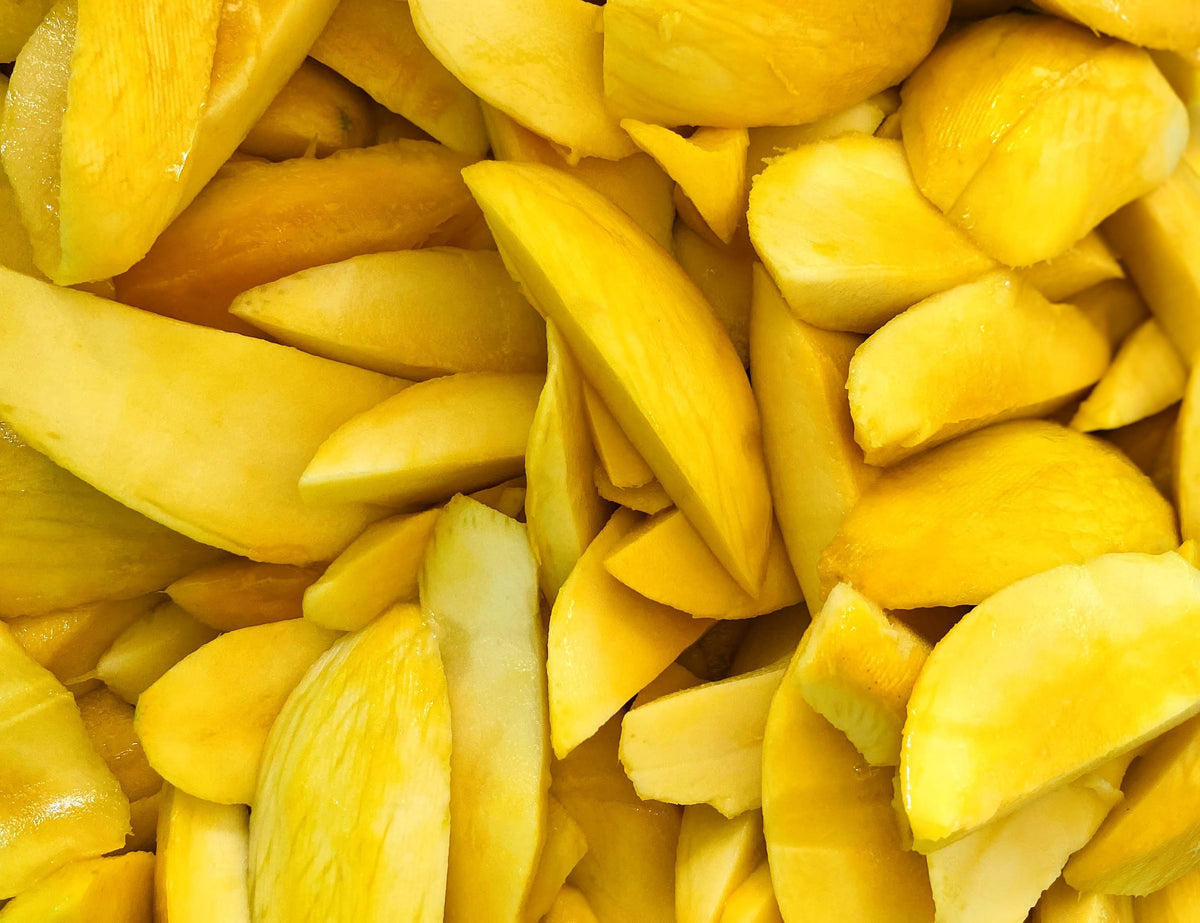
Mango Frozen Yogurt Recipe (3-Ingredient, No Machine)
This mango frozen yogurt recipe is one of the most refreshing ways to use ripe Pakistani mangoes at their peak. Ready in under 20 minutes of active prep, it needs just three core ingredients, no ice-cream machine, and delivers a creamy, intensely fruity froyo that genuinely tastes like summer in Multan. Whether you are working with Sindhri in June or White Chaunsa in August, a perfectly ripe mango is the engine that makes this recipe extraordinary rather than merely good.
Frozen yogurt has a natural tartness that actually amplifies mango flavour rather than competing with it. Unlike ice cream, which leans on heavy cream and egg yolks, a healthy mango froyo is built on strained yogurt, fruit, and a small amount of sweetener. The result is lighter, brighter, and refreshingly easy. This guide walks you through every step: ingredients, method, five flavour variations, make-ahead storage, and a troubleshooting FAQ so your first batch is as good as your fifth.
If you want the deepest, most complex flavour, start with the best raw material. Using premium ripe mangoes from a family orchard — the kind that are hand-picked at peak ripeness and arrive via cold-chain — makes a measurable difference to the finished colour, aroma, and sweetness of your froyo. You will need far less added sugar, and the frozen dessert scoops with a naturally luminous golden hue that store-bought pulp simply cannot replicate.
Why Pakistani Mangoes Make the Best Mango Frozen Yogurt
Most recipes online call for "2 ripe mangoes" without specifying variety. That vagueness matters a great deal when making frozen desserts, because the Brix level (natural sugar content), fibre content, and aroma compounds of the mango determine how your froyo will freeze and how it will taste after six hours in the freezer.
Pakistani varieties — particularly Sindhri, Chaunsa, and Anwar Ratol — are among the most prized eating mangoes in the world, and they shine in frozen applications for specific reasons:
- Sindhri (June–July): Sometimes called the "King of Pakistani Mangoes." Fibre-free, honey-sweet, with a delicate floral nose. Freezes to a silky smooth puree with minimal icy crystals because its high sugar content acts as a partial cryoprotectant.
- White Chaunsa — Nawabpuri & Mosami (August): Pale golden flesh, low-acid sweetness, intensely aromatic. The White Chaunsa premium box is exceptional in froyo because the low-acid profile lets the yogurt's tartness take the lead without the fruit becoming sharp when frozen.
- Langra (July): Slightly more complex, with faint citrus undertones. Adds an interesting dimension to the finished froyo that pairs beautifully with a drizzle of honey.
- Anwar Ratol / 12 Number Ratol (July): Small, intensely concentrated. If you can get these, blend them with Sindhri for a flavour punch that is almost overwhelming in the best possible way.
Carbide-ripened supermarket mangoes ripen from the outside in, leaving the core flavour underdeveloped and the texture stringy. Naturally tree-ripened mangoes ripen evenly and produce a puree that is both sweeter and smoother — a difference that is magnified when you freeze the fruit, concentrating every quality (and every flaw) it started with.
Ingredients for Mango Frozen Yogurt (Serves 6)
This recipe is intentionally minimal. Below is the base formula — a genuine 3 ingredient mango froyo — followed by optional additions for those who want to push it further.
Core Ingredients
- 600 g ripe mango flesh (roughly 2 large Sindhri or 3 medium Chaunsa mangoes, peeled and cubed) — about 2½ cups of packed cubes
- 400 g full-fat Greek yogurt (or strained dahi / hung curd) — the higher the fat, the creamier the set
- 3–4 tablespoons honey or caster sugar — start with 3 tbsp and taste; ripe Pakistani mangoes may need no extra sweetener at all
Optional Additions
- 1 teaspoon fresh lime juice — sharpens the mango flavour and keeps the colour bright
- ½ teaspoon vanilla extract — rounds out the yogurt's tang
- Pinch of cardamom (elaichi) — adds a South Asian warmth that complements Chaunsa beautifully
- 2 tablespoons condensed milk — for extra creaminess in low-fat yogurt versions
- 1 tablespoon mango jam or preserve — boosts colour if you're using lighter-fleshed varieties
Ingredient Notes
Use full-fat yogurt wherever possible. Low-fat yogurt has a higher water content, which leads to icier, less scoopable froyo. If you only have regular (not Greek) yogurt, strain it through a muslin cloth or coffee filter for at least two hours in the refrigerator before using — this removes excess whey and produces something closer in texture to labneh or strained dahi, which behaves much better in frozen desserts.
Equipment You Will Need
- Blender or food processor (a stick blender works for small batches)
- Freezer-safe container with a lid — a 1-litre loaf tin covered with cling film works perfectly
- Mixing bowl and spatula
- Fine-mesh strainer (optional, for extra-smooth texture)
- Ice-cream machine (optional — the no-churn method below gives excellent results without one)
Step-by-Step Mango Frozen Yogurt Recipe
Step 1: Prep and Freeze the Mango
Peel your mangoes and cut the flesh away from the stone. Cut into rough 2 cm cubes and spread them in a single layer on a baking tray lined with baking paper. Freeze for a minimum of 2 hours, ideally overnight. Freezing the mango first is the single most important technique in no-churn froyo: it dramatically reduces the formation of large ice crystals when the full mixture is frozen, giving you a smoother, creamier result.
If you are using mangoes from a premium gift box that arrived via cold-chain, let them sit at room temperature for 30–40 minutes after taking them out of the box before peeling. This allows the flesh to soften slightly, making it easier to cube and maximising the released juice when blended.
Step 2: Strain the Yogurt
If using Greek yogurt from the supermarket, it is usually thick enough to use straight from the container. If using regular Pakistani dahi, line a sieve with muslin and set it over a bowl. Add the yogurt, cover, and refrigerate for at least 2 hours. Discard the whey. You want the strained yogurt to be about as thick as cream cheese.
Step 3: Blend the Base
Add the frozen mango cubes to a high-powered blender. Let them sit for 5 minutes to soften very slightly (this saves your blender motor). Add the strained yogurt, your sweetener of choice, and any optional flavour additions (lime juice, cardamom, vanilla). Blend on high for 45–60 seconds until completely smooth. Stop and scrape down the sides twice during blending.
Taste the mixture. This is your only real window to adjust sweetness and acidity before freezing, because cold suppresses perceived sweetness — so the mixture should taste slightly sweeter and more intensely flavoured than you want the finished froyo to be. If it tastes perfect right now, add an extra teaspoon of honey.
Step 4: Transfer and Initial Freeze (No-Churn Method)
Pour the blended mixture into your freezer-safe container. Smooth the top with a spatula, press a piece of cling film directly onto the surface (this prevents ice forming on top), then seal with the lid. Freeze for 1.5 hours.
Step 5: Stir and Re-freeze
Remove from the freezer. The edges will be partially set; the centre will still be soft. Using a fork or spatula, vigorously stir the mixture, dragging the frozen edges into the soft centre and breaking up any ice crystals that have started to form. This step is equivalent to what an ice-cream machine does mechanically — you are incorporating air and disrupting crystal formation. Return to the freezer for another 1.5 hours.
Repeat this stir-and-freeze cycle two more times (total: about 4–5 hours of freezing with three stirs). After the third stir, smooth the top and leave to freeze completely — at least 3 more hours, or overnight. The more consistently you do the stir cycles, the smoother your froyo will be.
Step 6: Ice-Cream Machine Method (If You Have One)
If you have a machine, skip steps 4–5. Instead, blend the fresh (not pre-frozen) mango with the yogurt and sweetener, refrigerate the mixture for 30 minutes to get it as cold as possible without freezing it, then churn according to your machine's instructions (typically 20–25 minutes). Transfer to a container and freeze for at least 2 hours to harden ("hardening off") before scooping.
Step 7: Serve
Remove the froyo from the freezer and let it sit at room temperature for 8–10 minutes before scooping. This tempering step is important — mango frozen yogurt freezes firmer than commercial ice cream because it has no stabilisers. A brief rest brings it to a perfect scooping consistency. Serve in chilled bowls or cones.
Texture and Flavour Tips from the Kitchen
Achieving a Creamier Set Without a Machine
- Use full-fat yogurt. Fat coats ice crystals, keeping them smaller and less noticeable on the tongue.
- Don't skip the stir cycles. Each stir breaks up forming crystals before they get large enough to feel grainy.
- Add a small amount of condensed milk or cream. Even 2 tablespoons per batch makes a noticeable difference to scoopability.
- Slightly overripe mangoes work better here than anywhere else. The higher enzyme activity in very ripe fruit produces a more broken-down, smoother puree.
Getting the Sweetness Right
This is the most common failure point in healthy mango froyo recipes. Freezing suppresses sweetness. A mixture that tastes "just right" at room temperature will taste noticeably less sweet once frozen. As a rule of thumb: if blending Sindhri or Chaunsa mangoes at peak ripeness, 2 tablespoons of honey is usually enough. If using supermarket mangoes or fruit that is slightly underripe, you may need 5–6 tablespoons of sugar.
Colour
Deep golden froyo = deeply ripe fruit + minimum air incorporation. Pale froyo = undermixing, underripe fruit, or too much yogurt relative to mango. The ratio in this recipe (600 g mango : 400 g yogurt) gives a beautiful golden-orange colour that photographs exceptionally well.
Five Variations on the Base Recipe
| Variation | Change to Base Recipe | Best Mango Pairing |
|---|---|---|
| Mango Cardamom Froyo | Add 1 tsp ground cardamom + 1 tbsp rosewater | White Chaunsa |
| Mango Chilli-Lime Froyo | Add 1 tbsp lime juice + ¼ tsp Kashmiri chilli powder | Sindhri |
| Mango Coconut Froyo | Replace 100 g yogurt with full-fat coconut cream | Langra |
| Mango Saffron Froyo | Steep 15–20 saffron threads in 1 tbsp warm milk; add to blend | Anwar Ratol |
| Mango Banana Froyo | Replace 150 g mango with 1 frozen ripe banana (adds creaminess) | Sindhri |
Storage, Shelf Life, and Make-Ahead Notes
Homemade mango frozen yogurt contains no commercial stabilisers or emulsifiers, which means it freezes harder than store-bought ice cream and is best consumed within a shorter window than commercial products. Here is what to expect:
- Days 1–3: Optimal texture. Creamy, easy to scoop after a short temper at room temperature.
- Days 4–7: Still delicious but slightly icier. The mango flavour remains intact and actually deepens.
- Week 2+: Ice crystals become more pronounced. Still edible but quality noticeably drops. Best used blended into smoothies or lassi at this stage.
Storage Tips
- Always press cling film directly onto the surface before sealing with a lid. This prevents the "freezer frost" layer that forms from moisture condensation.
- Store in the coldest part of the freezer (typically the back, not the door).
- Avoid repeated thaw-refreeze cycles. If you're making a large batch, portion it into smaller containers so you can open one without exposing the rest.
- Label with the date. Mango froyo all looks the same — if you're making multiple varieties, note the mango type on the label. Sindhri and Chaunsa froyo taste very different and are worth keeping separate.
Make-Ahead for Parties and Gatherings
Mango frozen yogurt is an ideal make-ahead dessert for Eid gatherings, dawats, and summer parties. Make the batch 2–3 days before the event and store tightly covered. Remove from the freezer 10–12 minutes before serving (slightly longer if your freezer runs very cold). The dramatic golden colour and intense fragrance always draw comments.
If you want to go further in the mango dessert direction, our mango kulfi recipe is another spectacular make-ahead option — denser, richer, and set in individual moulds for an elegant presentation that works beautifully alongside this froyo.
Nutrition Overview
This is a genuinely healthy mango froyo compared to conventional ice cream. Here is an approximate per-serving comparison (based on one-sixth of the recipe):
| Metric | Mango Froyo (this recipe) | Typical Mango Ice Cream |
|---|---|---|
| Calories | ~130–150 kcal | ~220–280 kcal |
| Total Fat | ~3–5 g | ~12–15 g |
| Saturated Fat | ~2 g | ~8 g |
| Protein | ~6–8 g | ~3–4 g |
| Natural Sugar | ~18–22 g | ~22–28 g |
| Added Sugar | ~5–8 g | ~18–22 g |
| Vitamin C | ~25–30% DV | ~8–12% DV |
The protein advantage comes from Greek yogurt. The calorie savings come from eliminating heavy cream. The vitamin C is pure mango — a reminder that this is a real-fruit dessert, not a confection. Values are approximate and will vary depending on the sweetness of your mangoes and the fat content of your yogurt.
Mango Frozen Yogurt vs. Mango Sorbet vs. Mango Kulfi
People sometimes confuse these three frozen mango desserts. They are distinct in texture, method, and occasion:
- Mango frozen yogurt (this recipe): Creamy, tangy, protein-rich. Middle ground between ice cream and sorbet. Works as a standalone dessert or alongside spiced biscuits.
- Mango sorbet: Dairy-free. Just mango, sugar, and a little lime. Icier, intensely fruity, very refreshing but less creamy. Best as a palate cleanser.
- Mango kulfi: Dense, slow-melting, milk-fat-based. Set in moulds. Richest of the three. Traditionally flavoured with cardamom, saffron, and pistachios. See our full mango kulfi recipe for the complete method.
For a warm-weather party menu, consider offering all three. They complement one another rather than competing — different enough in texture and richness to appeal to different guests.
Sourcing the Right Mangoes: Seasonal Calendar
The variety you use depends on when you are making this recipe. Pakistani mango season runs from late May through August, with different premium varieties peaking at different points:
- Late May–June: Sindhri arrives first. This is peak froyo season — Sindhri's fibreless, honey-sweet flesh blends to a silky puree that is unmatched.
- July: Langra and Anwar Ratol (including the legendary "12 Number Ratol") are available. Both make outstanding froyo with slightly more complex flavour profiles than Sindhri.
- August: White Chaunsa — Nawabpuri and Mosami — arrives last. If anything, this is the finest variety of all for frozen desserts because its high aromatics survive the freezing process better than any other Pakistani variety.
Browse the full seasonal range and shop premium Pakistani mango gift boxes to plan your froyo-making calendar around what's in season. Boxes are hand-packed at the Multan orchard and delivered via cold-chain anywhere in Pakistan, free of charge.
Frequently Asked Questions
Can I make mango frozen yogurt without an ice-cream machine?
Yes — this recipe is specifically designed for the no-churn method. The key is freezing the mango before blending and then performing three stir cycles during the initial freezing phase. This manually disrupts ice-crystal formation and produces a smoother, creamier result without any special equipment. An ice-cream machine will give you a slightly silkier texture, but the no-churn version is genuinely excellent.
Which yogurt is best for mango frozen yogurt?
Full-fat Greek yogurt is the best choice because its high protein and fat content and low water percentage produce the creamiest, least icy result. Pakistani hung curd (dahi strained overnight) is an excellent and more authentic substitute. Avoid flavoured yogurt, low-fat yogurt, or yogurt with added stabilisers for this recipe — plain, full-fat dairy is what you want.
How long does mango frozen yogurt keep in the freezer?
At optimal quality, consume within 5–7 days. After that it is still safe to eat but the texture becomes noticeably icier. Always press cling film directly onto the surface before sealing to slow ice-crystal growth. Avoid freezing for longer than 2 weeks.
Why does my mango froyo turn icy and hard?
There are three main causes: using low-fat yogurt (too much water), skipping the stir cycles during initial freezing, or using underripe mangoes with lower sugar content. Sugar and fat both act as cryoprotectants — they keep the mixture softer at freezer temperature. Make sure your mangoes are fully ripe before you start, use full-fat yogurt, and do not skip the stir steps. If your freezer runs very cold, reduce the temperature slightly during the hardening phase.
Can I use frozen mango pulp instead of fresh mangoes?
You can, but fresh ripe mango produces noticeably better flavour and colour. Commercially frozen pulp is often made from mangoes that were not fully tree-ripened, and the blanching or pasteurisation step used before freezing reduces aromatic compounds. If you do use frozen pulp, buy the best quality you can find, thaw it slightly before blending, and increase your sweetener slightly to compensate for the flatter flavour. Freshly frozen mango cubes (cubed from fresh ripe fruit and frozen at home) are the best alternative to using fresh.
Is mango frozen yogurt suitable for children?
Yes. This recipe contains no raw eggs, no added colours, no preservatives, and the only added sweetener is honey or caster sugar (adjust quantity to taste). For children under 12 months, substitute honey with caster sugar. The recipe is naturally free from nuts and gluten in its base form. As with any frozen food, supervise young children and let it soften for a few minutes before serving to avoid it being too hard.
Ready to make the most flavourful mango frozen yogurt of your life? It starts with the right mango. Order your premium Pakistani mango gift box today — Sindhri, Langra, Anwar Ratol, and White Chaunsa varieties available by season, hand-packed at the Multan family orchard, delivered free anywhere in Pakistan with Cash on Delivery. Worldwide shipping also available. Or reach us directly on WhatsApp at +92 300 9555810 and we will guide you to the perfect variety for your kitchen.