
Mango Energy Balls Recipe (No-Bake Bliss Balls)
A good mango energy balls recipe solves two problems at once: what to do with perfectly ripe mangoes before they pass their peak, and how to make a snack that actually tastes as good as a dessert while giving you a genuine energy boost. These no-bake bites come together in about 20 minutes, require zero cooking, and keep well in the fridge for a week. The base is simple — fresh mango pulp, oats, nuts, and a binding agent — but the magic is in the quality of the mango. Pakistani varieties like Sindhri and White Chaunsa have an aromatic, almost honeyed sweetness that makes these energy balls taste bakery-level without added sugar.
If you have ever bought a mango from a supermarket shelf and wondered what all the fuss is about, you have never tasted a properly ripened Sindhri or Anwar Ratol. The pulp is smooth, fibre-free, and intensely fragrant — which means it blends seamlessly into an energy ball mixture without any stringy texture. These mango bliss balls are the kind of snack you make once and then find yourself making every week through mango season. We have been testing this recipe across three mango varieties and with several binding and nut combinations, and this version is the one that works every time.
Below you will find the full recipe with ingredient weights, step-by-step instructions, troubleshooting tips, five tested variations, and storage guidance. At the end, we answer the most common questions people have when making no bake mango snacks for the first time.
Why Pakistani Mangoes Make the Best Mango Energy Balls
Most energy ball recipes call for dried mango or mango powder because fresh mango adds too much moisture. That is true with watery, under-ripe mangoes. But a fully ripened Sindhri or White Chaunsa is a different ingredient entirely — the pulp has a thick, almost custard-like consistency with low water content relative to sweetness. You get intense flavour without flooding your mixture.
The Sindhri variety, harvested in June from orchards in southern Punjab and Sindh, has a fibreless golden pulp with notes of honey and vanilla. It is the easiest mango to scoop and fold into a mixture because the flesh separates cleanly from the skin and seed. The White Chaunsa — particularly the Nawabpuri strain harvested in August — is milky-pale, almost creamy, and has a delicate floral note that pairs beautifully with cardamom. Either variety works in this recipe; the flavour profile will shift slightly, and both are excellent.
If you want to try both and compare, the Nawabpuri White Chaunsa premium box is available for order during the August window. For June and July batches, Sindhri and Langra from our premium Pakistani mango gift boxes are hand-picked at peak ripeness and cold-chain delivered — the exact standard you need for a recipe where the fruit is the hero ingredient.
Mango Energy Balls Recipe — Ingredients
This recipe makes 18–20 energy balls, each approximately 30 g. The measurements below are by weight for accuracy, but cup equivalents are included where useful.
Base Ingredients
- Fresh ripe mango pulp: 180 g (roughly one large Sindhri or two small mangoes, pitted and scooped). The pulp should be thick and not watery.
- Rolled oats: 150 g (1½ cups). Old-fashioned rolled oats, not instant — they give structure. Gluten-free certified oats work if needed.
- Desiccated coconut: 50 g (½ cup), unsweetened. This absorbs moisture and adds chew.
- Cashew butter or almond butter: 60 g (3 tablespoons). Natural, runny nut butter. This is the binder.
- Medjool dates: 6 large (about 90 g), pitted. They provide sticky sweetness and hold the balls together.
- Ground cardamom: ½ teaspoon. The classic Pakistani pairing with mango.
- Sea salt: ¼ teaspoon. Enhances every other flavour.
Coating Options (choose one or mix)
- Extra desiccated coconut
- Finely crushed pistachios
- Sesame seeds (white or black)
- Cacao powder for a chocolate contrast
Optional Add-Ins
- 1 tablespoon chia seeds (extra fibre and omega-3)
- 1 tablespoon hemp seeds (complete protein boost)
- Zest of one lime (brightens the mango flavour)
- 1 teaspoon vanilla extract
Step-by-Step Instructions
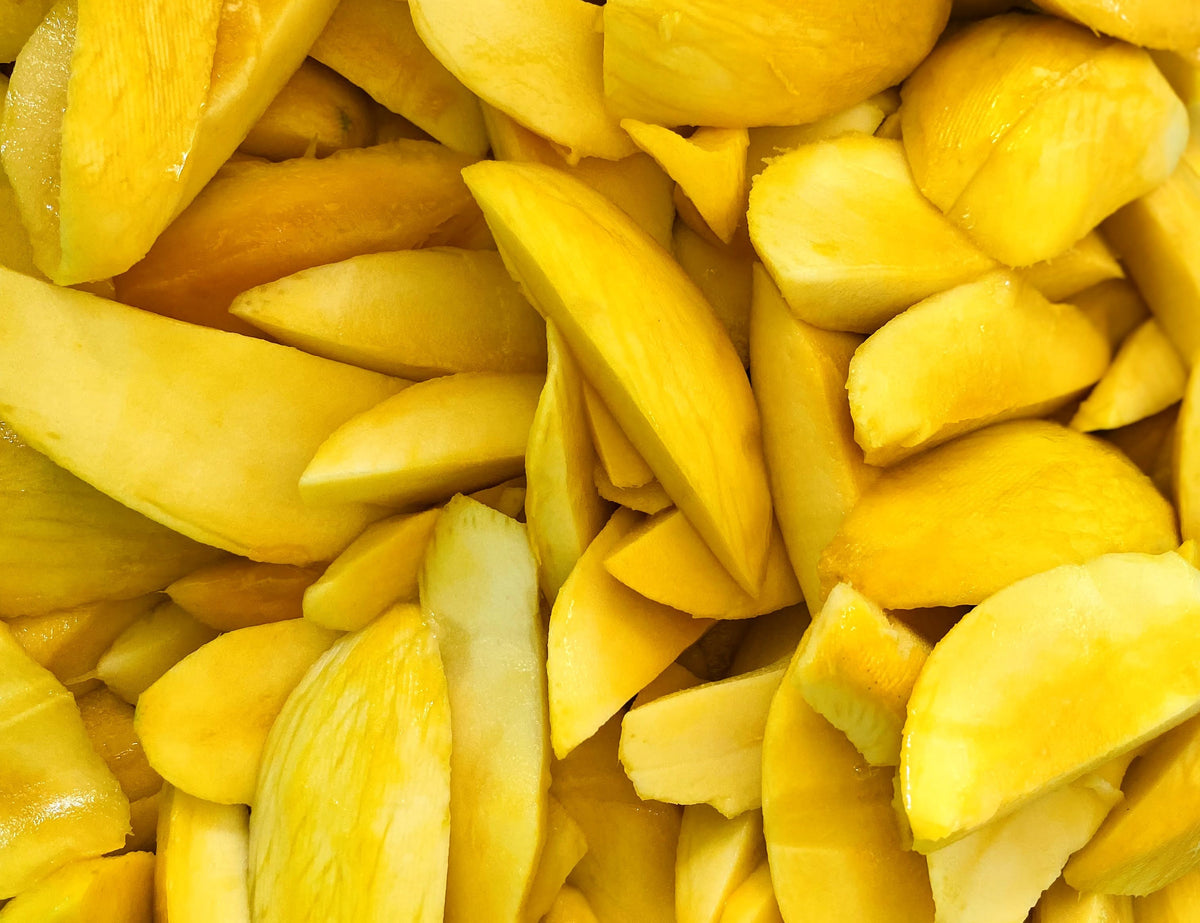
- Prepare the mango pulp. Cut the mango in half around the seed. Score each half in a crosshatch and scoop out the flesh with a large spoon. If using Sindhri, the pulp will come away in thick, clean pieces. Weigh out 180 g. Pat lightly with a paper towel if the pulp seems very wet — you want it thick, not streaming juice.
- Process the dates. Pit the Medjool dates and add them to a food processor. Pulse 8–10 times until they form a rough paste. If your dates are dry, soak them in warm water for 10 minutes first, then drain and pat dry.
- Combine wet ingredients. Add the mango pulp and cashew butter to the food processor with the date paste. Process for 20–30 seconds until you have a smooth, sticky paste. Scrape down the sides once.
- Add dry ingredients. Add the rolled oats, desiccated coconut, ground cardamom, and salt. Pulse 6–8 times — you want the oats broken down slightly but not completely smooth. The mixture should hold its shape when you press some between your fingers. If it feels too wet, add 1–2 tablespoons of extra oats. If it feels too dry and crumbly, add a teaspoon of water or an extra half-tablespoon of nut butter.
- Chill the mixture. Transfer the mixture to a bowl, cover, and refrigerate for 30 minutes. This step is important — chilling firms up the fats and makes the mixture much easier to roll without sticking to your hands.
- Roll the balls. Line a tray or plate with baking paper. Scoop out roughly 30 g of mixture per ball (a tablespoon-and-a-half-sized scoop works well). Roll between your palms quickly — the warmth of your hands will start softening the mixture, so work fast. Place each ball on the lined tray.
- Coat immediately. While each ball is still slightly tacky, roll it in your chosen coating. Crushed pistachios look stunning and add a savoury contrast. Desiccated coconut is classic. Sesame seeds add a nutty depth that works especially well with White Chaunsa's floral flavour.
- Final chill. Return the coated balls to the fridge for at least 15 minutes before eating. They set firmer and the flavours come together better when cold.
Texture Troubleshooting Guide
The most common issue is a mixture that is too wet to roll. Here is how to diagnose and fix it:
| Problem | Likely Cause | Fix |
|---|---|---|
| Mixture won't hold a ball shape — too wet | Mango pulp had high water content; dates were too fresh/moist | Add 2 tbsp rolled oats + 1 tbsp desiccated coconut. Re-chill 20 min. |
| Mixture crumbles when rolled | Nut butter too thick; not enough dates; oats over-processed | Add 1 tsp water + ½ tbsp nut butter. Process 5 more seconds. |
| Balls collapse after rolling | Mixture not chilled enough | Return to fridge for 45 min before re-rolling. |
| Coating won't stick | Balls too cold when coating; surface dried out | Let balls sit at room temp for 2 min, then coat before re-chilling. |
| Flavour is flat or starchy | Mango underripe; not enough salt | Use a fully ripe, aromatic mango. Add a pinch more salt and a squeeze of lime. |
Five Variations to Try
1. Mango Cardamom Pistachio (Classic Pakistani)
Follow the base recipe exactly and coat in finely crushed, unsalted pistachios. The green-gold contrast is visually stunning and the pistachio adds a roasted savouriness that balances the mango's sweetness. Use Sindhri pulp if available. This is the closest to a traditional mithai-inspired snack — genuinely impressive on a dessert platter.
2. Mango Coconut Lime (Tropical)
Add the zest of one lime and 1 teaspoon of lime juice to the wet mixture. Coat in toasted desiccated coconut. The lime cuts through the sweetness and makes the mango flavour pop. Use White Chaunsa for this variation — its floral, milky notes with lime are exceptional. These are the best version to pack for work or school because they are not too sweet.
3. Mango Dark Chocolate (Indulgent)
Coat the rolled balls in a mixture of cacao powder and a pinch of cinnamon. Alternatively, melt 60 g of good dark chocolate (70%+) and dip each ball halfway, then set on baking paper in the fridge for 20 minutes. The bitterness of the chocolate against the tropical mango is a genuinely sophisticated flavour combination. These keep best in the fridge and are best eaten within 4 days.
4. Mango Protein Balls (Gym Snack)
Reduce oats by 30 g and add 30 g of unflavoured or vanilla whey protein isolate (or a plant-based protein powder). Add 1 tablespoon of hemp seeds. This brings each ball to roughly 5–6 g of protein. The texture is slightly denser; compensate by adding an extra teaspoon of nut butter if the mixture becomes too dry. Coat in sesame seeds for extra nutrition.
5. Mango Ginger Turmeric (Anti-Inflammatory)
Add ½ teaspoon of ground ginger and ¼ teaspoon of ground turmeric to the dry ingredients. The ginger gives a warm bite; the turmeric adds a golden hue and earthy depth. This combination leans more savoury-sweet and is genuinely delicious with a cup of green tea. Coat in black sesame seeds for visual contrast.
Nutrition Overview
These figures are approximate per ball (based on the base recipe, 20 balls per batch, pistachio coating). Exact values will vary with mango variety, nut butter brand, and coating choice.
| Nutrient | Per Ball (approx.) | Notes |
|---|---|---|
| Calories | 90–105 kcal | Natural sugars from fruit and dates |
| Total Fat | 4–5 g | Primarily unsaturated (nut butter, coconut) |
| Carbohydrates | 12–14 g | Including 3–4 g natural sugar |
| Dietary Fibre | 1.5–2 g | Higher if chia/hemp seeds added |
| Protein | 2–3 g | Up to 5–6 g with protein powder variation |
| Added Sugar | 0 g | All sweetness from mango and dates |
Fresh Pakistani mangoes — especially Sindhri — are a genuine nutritional asset in this recipe. They contribute vitamin C, vitamin A, folate, and a range of polyphenols. The fibre from oats slows the glucose release from the natural sugars, meaning these healthy mango energy bites provide sustained energy rather than a spike.
Storage and Make-Ahead Tips
Refrigerator
Store in an airtight container, separated by layers of baking paper. They keep well for 5–7 days in the fridge. The flavour actually improves after 24 hours as the cardamom and mango notes meld. Do not store uncovered — the surface will dry out and coatings will lose their texture.
Freezer
These mango bliss balls freeze extremely well. Place them in a single layer on a lined tray and freeze for 2 hours until solid, then transfer to a zip-lock bag or airtight container. Frozen, they keep for up to 3 months. Thaw in the fridge overnight or at room temperature for 20–30 minutes. The texture after thawing is slightly softer but still holds its shape well.
Make-Ahead Batch Cooking
The mixture (before rolling) can be made up to 48 hours ahead and kept refrigerated in a covered bowl. Rolling takes about 10 minutes, so this is a convenient split: make the mixture on a Sunday, roll and coat on Monday morning for the week's snacks.
Gifting and Presentation
If you are making these as a gift — for Eid, a dinner party, or a housewarming — place them in mini paper cups inside a box and dust lightly with edible gold powder or rose petals. They present beautifully and are an unexpected, genuinely premium-feeling homemade gift. Pair them with a recommendation to try the premium Pakistani mango gift boxes for the full fresh-mango experience.
Pairing Ideas and Serving Suggestions
These energy balls work across a wide range of contexts:
- Pre-workout: Eat 2–3 balls about 45 minutes before exercise. The oats provide slow-release carbohydrates; the mango sugars give a quick available fuel top-up.
- Afternoon slump: Two balls with a glass of cold water or a cup of chai cut the 3 pm energy dip without the sugar crash of a biscuit or chocolate bar.
- Lunchbox addition: Children take to these immediately — they taste like a treat, travel well (kept cool with an ice pack), and have no refined sugar.
- Dessert platter: Alongside homemade mango kulfi, these energy bites make a complete, no-fuss mango-forward dessert spread for guests. The contrast of frozen kulfi and room-temperature energy balls is a nice textural play.
- Ramadan suhoor: Two or three balls with yoghurt and a glass of milk is a solid, sustaining suhoor that takes two minutes to assemble once the balls are made.
Sourcing the Right Mangoes
The single biggest variable in this recipe is mango quality. A under-ripe, fibrous, or flavourless mango will produce under-ripe, fibrous, flavourless energy balls — no amount of cardamom or nut butter will fix that. A fully ripened, aromatic Pakistani mango transforms the recipe.
The MMA Mangoes family orchard in Multan has been growing mangoes for three generations, with varieties hand-picked at peak ripeness and cold-chain shipped. The Sindhri arrives in June: thick, golden-orange pulp, fibreless, intensely sweet with honeyed vanilla notes. The Langra follows in July — slightly tangy, deep yellow, excellent for recipes where you want a touch of acidity to balance richness. White Chaunsa in August is the most fragrant of all, with a milky, floral quality that is particularly beautiful in the Mango Coconut Lime variation above.
For this recipe, we recommend using mangoes that are fully ripe — the skin should give slightly when pressed and the mango should smell intensely fruity at the stem end. If you are ordering for a specific baking session, plan around the variety calendar: Sindhri June, Langra/Anwar Ratol July, White Chaunsa August. You can order directly from our premium Pakistani mango gift boxes — carbide-free, farm-packed, free nationwide delivery in Pakistan, and worldwide shipping available. COD available across Pakistan.
Frequently Asked Questions
Can I use dried mango instead of fresh mango in energy balls?
You can, but the result is quite different. Dried mango needs to be softened in warm water for 20 minutes first, then drained and patted dry before processing. The flavour will be more concentrated and less fresh. You may also need to reduce the dates by half since dried mango is already very sweet. Fresh, fully ripe mango gives a far better texture and flavour in this recipe — which is why using a premium variety like Sindhri or White Chaunsa makes such a noticeable difference.
Are mango energy balls good for weight loss?
These balls contain no refined sugar, no processed ingredients, and around 90–105 kcal each, making them a significantly better choice than most packaged snacks. The combination of fibre from oats, fat from nut butter, and natural sugar from mango and dates provides satiety that many low-calorie snacks lack. That said, they are energy-dense — eating six of them in a sitting is not the same as eating one banana. Two to three balls as a mid-morning or afternoon snack is a sensible serving that will keep most people satisfied until their next meal.
How long do mango energy balls last?
In the refrigerator in an airtight container: 5–7 days. In the freezer: up to 3 months. Do not leave them at room temperature for more than 2 hours, especially in a warm climate — the fresh mango pulp is perishable. If you are serving them at a party, keep them refrigerated until 10 minutes before serving.
Can I make mango energy balls without a food processor?
Yes, with some modifications. Mash the mango pulp with a fork until smooth — ripe Sindhri becomes almost liquid on its own, so this is easier than it sounds. Finely chop the dates by hand (oil your knife to prevent sticking), then mix everything together in a bowl. Use a fork and your hands to combine thoroughly. The texture will be slightly more rustic with visible oat pieces, which is actually nice. Chill the mixture for 45 minutes (a bit longer than usual) before rolling.
Which mango variety is best for this recipe?
Sindhri is the easiest to work with because the pulp is thick, smooth, and almost fibreless — it processes perfectly with no stringy texture in the final ball. White Chaunsa (particularly Nawabpuri) gives the most fragrant result, especially in the coconut-lime variation. Anwar Ratol is intensely sweet and works well but has slightly more fibre; strain the pulp through a coarse sieve if you want a very smooth mixture. Langra has a pleasant tartness that balances the sweetness of the dates well. All five varieties available from MMA Mangoes will produce excellent results — the choice comes down to personal flavour preference and what is in season when you are making them.
Can children eat these mango energy balls?
Yes — these are one of the better snacks you can give children because they contain no refined sugar, artificial colours, preservatives, or processed ingredients. The natural sweetness from mango and dates is genuinely appealing to children, and the oats and nut butter provide slow-release energy without a sugar crash. The main consideration is nut allergies: if a child has a tree-nut allergy, substitute sunflower seed butter for the cashew or almond butter. The recipe works just as well and has a slightly milder flavour that many children actually prefer.
Ready to make a batch? The recipe works best when you start with the best mango you can find. Order a box of hand-picked, cold-chain Sindhri, Langra, or White Chaunsa directly from our Multan family orchard — shop our premium Pakistani mango gift boxes, with free delivery anywhere in Pakistan, Cash on Delivery available, and worldwide shipping. Have a question about varieties or availability? WhatsApp us at +92 300 9555810 — we are happy to help you pick the right variety for your kitchen.